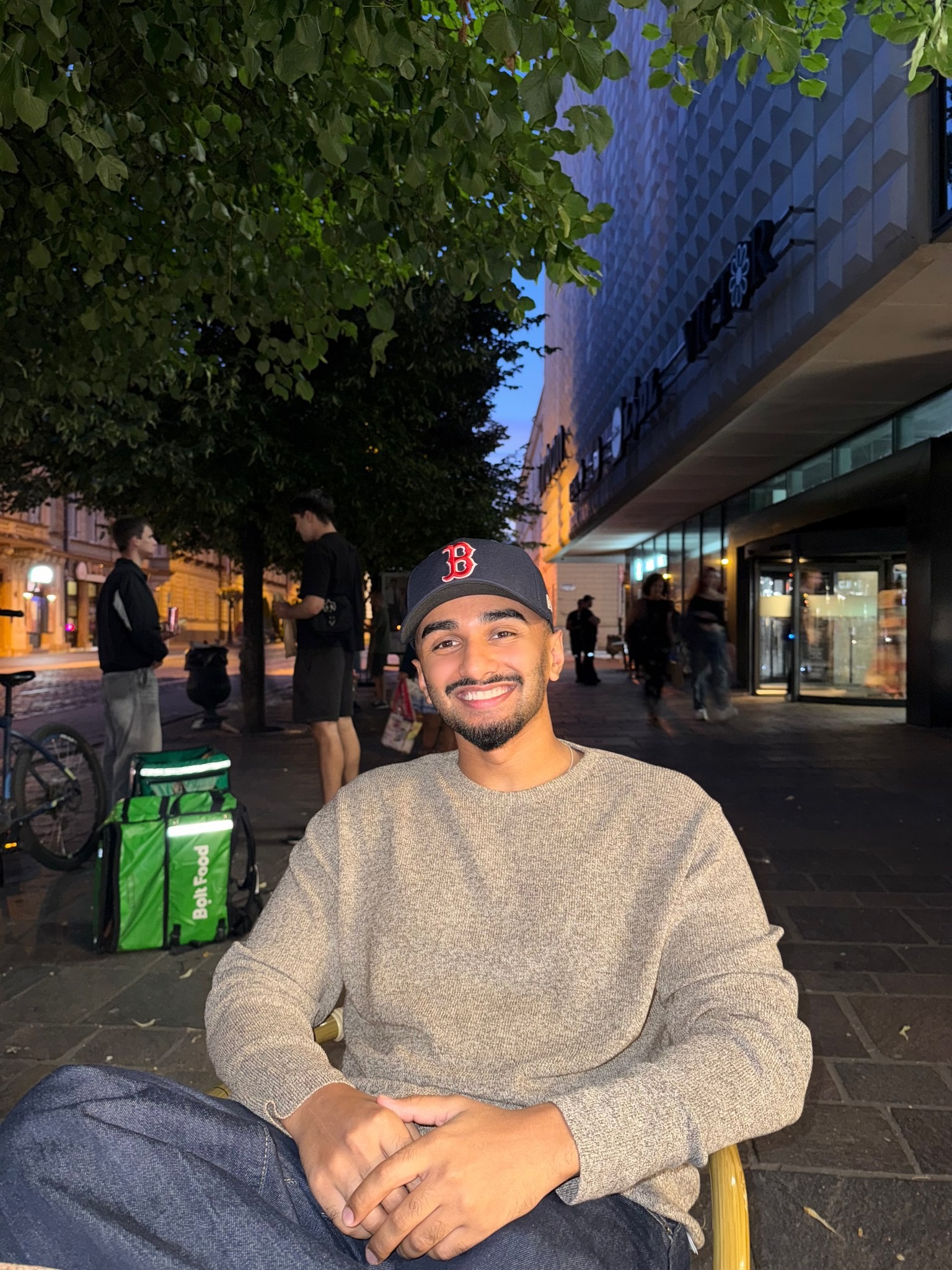
I actually had everything figured out
My story doesn't start with a childhood dream of becoming a doctor. I already had a degree in project management and a full-time job. Life was stable, and I was genuinely content with where I was. But medicine was always there — a thought that never quite left. No matter how well things were going, I couldn't fully let it go. Choosing medicine would mean adding something major on top of a life I had already built. Still, I knew I'd never be truly done with the thought until I had tried.
Why medicine?
It wasn't one single thing that made me decide. It was many things converging at once. The more I thought about it, the clearer it became what I could actually mean to others. I wanted to use myself for something that helps people in a real way. Through my work, I became especially drawn to Alzheimer's disease and dementia — a field that genuinely gripped me and made me want to contribute something of my own. Eventually, that feeling became too strong to ignore.
When I applied for the first time
When I first decided to apply, I went through an agency. They told me the university they were placing me at was a great choice. I simply wasn't matched well with the place I ended up. And it quickly became clear why: the people advising me were not students or doctors themselves. They had never been through what they were guiding me through, and so they couldn't help me in the way I actually needed. Had I received advice from someone already in the field — someone who had sat the entrance exam, lived in the city, and knew what to expect — I would very likely have had a much better start.
What I was missing was one honest voice
That's when it struck me just how vulnerable this process really is. When you dream of becoming a doctor, you're willing to trust people, send documents, and pay money — without really knowing whether the advice you're getting is the best for you specifically. I didn't need someone selling me a dream. I needed someone who could explain what was actually possible, and who had walked the road themselves. That was exactly what I didn't have.
That's why I built Medently
I wanted to create something that didn't exist yet: a guide for people who genuinely want to study medicine or dentistry in Europe, where the answers come from someone already here. Someone who knows both the rewarding and the difficult sides of a medical degree from the inside. I've been coding since I was young, and have built software and websites for many years. So I wanted to bring together everything I know — project management, programming, and my own medical studies — into one platform. A service so good, and built with such solid technology, that any student can feel they're actually getting real help. Whether they're from Norway, the UK, or the UAE, and whether they're interested in medicine or dentistry, they deserve honest, experienced guidance.
Free — because money should never be the barrier
For me, the most important thing was that Medently would be completely free for students. We could have so many more great doctors if it weren't for agencies that mislead students and charge thousands. For some students, that price tag becomes a wall. They end up choosing something entirely different — not because they lack the ability, but because they lack access and honest advice. If I can tear down that wall, I'm not just doing one person a favour. I'm doing society a favour. Medently works on a commission model paid by our partner universities in Europe. The student pays nothing, ever.
Where I am today
Today I'm studying medicine, and I'm genuinely happy. I love my university and I'm proud of the path I eventually ended up on. If you're reading this and recognising yourself in any part of it, I want you to know: you don't have to go through this alone. Reach out to Medently, and we'll help you — completely free — to find the right university, understand the admission requirements, and get through the application process. Exactly the kind of help I wish I'd had when I started. Whether you're aiming for medicine or dentistry, whether you're a school leaver or a career-changer like me — there's a path, and we'll help you find it.
Is it too late to change careers and study medicine at 25 or 30?
No, it is entirely possible. When I transitioned from project management to medical school in Europe, my biggest concern was my age. However, European medical universities do not discriminate based on age or non-traditional academic backgrounds. Admission relies on your performance in the entrance exam, not your high school transcript from a decade ago. I started my medical degree as an adult with a full career behind me — and I have never regretted it.
When I was applying, agencies tried to charge me thousands of euros for basic document handling. I built Medently to change that. We are officially partnered with and funded directly by European universities to streamline their international admissions. This means our guidance, mock exams, and application support cost you absolutely nothing. No catches, no hidden fees.
Thinking about studying medicine or dentistry in Europe?
Medently helps students from Norway, the UK, and the UAE apply to medical universities across Europe — all EU-accredited, English-taught programmes. No UCAT or BMAT required. No agency fees.
Get free guidance →No one should be stopped from becoming a doctor because of money.
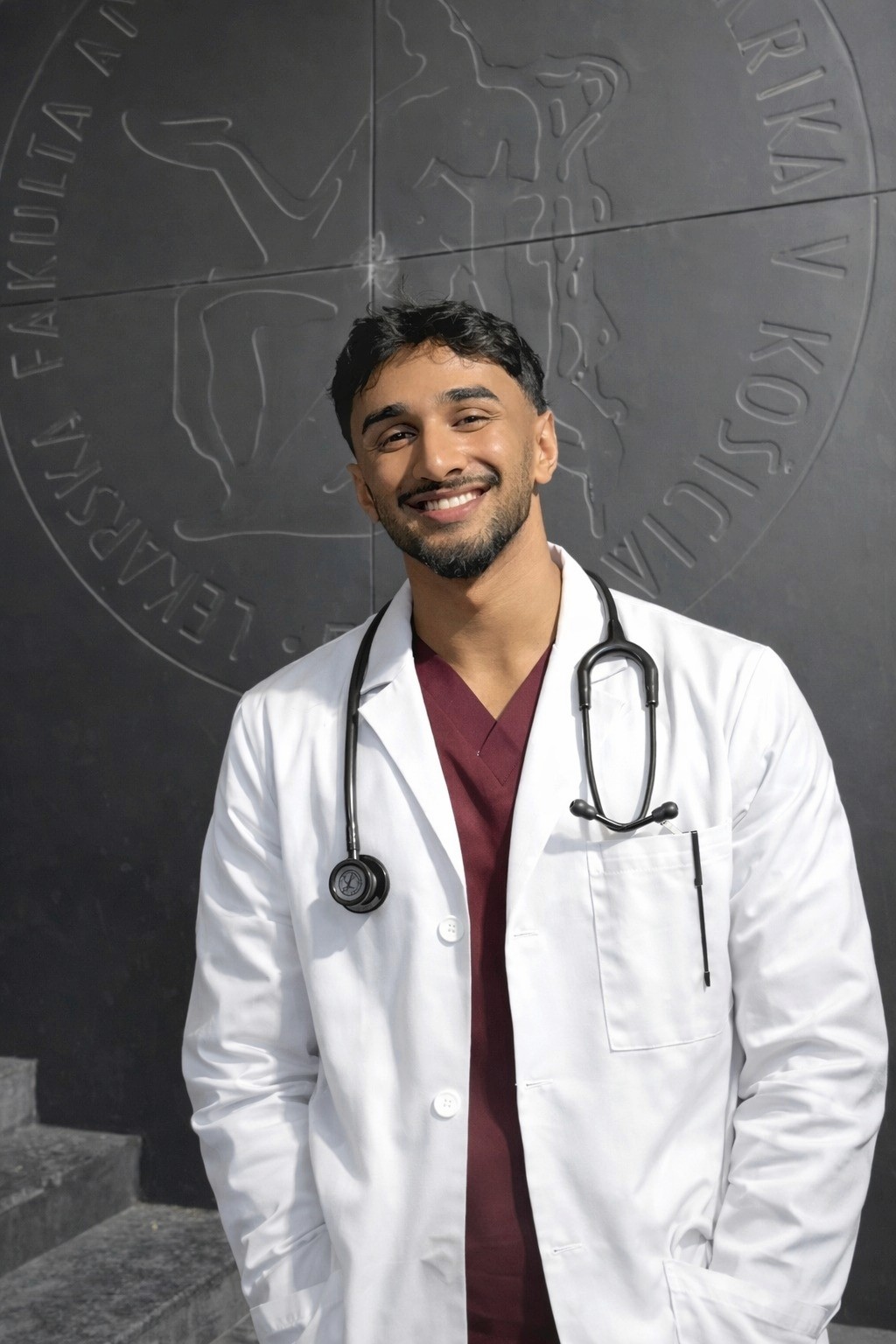
Medical student. Focused on building strong university partnerships and creating the best possible experience for students applying to medicine and dentistry in Europe.
