UMCH (University Medical School Hamburg) doesn't publish a fixed acceptance-rate percentage, and it doesn't gatekeep on a high-school GPA cutoff. Admission is based on your full profile and an interview/assessment — meaning motivated students who missed a grade cutoff at home genuinely have a shot. For exact numbers, hop on a free call with us.
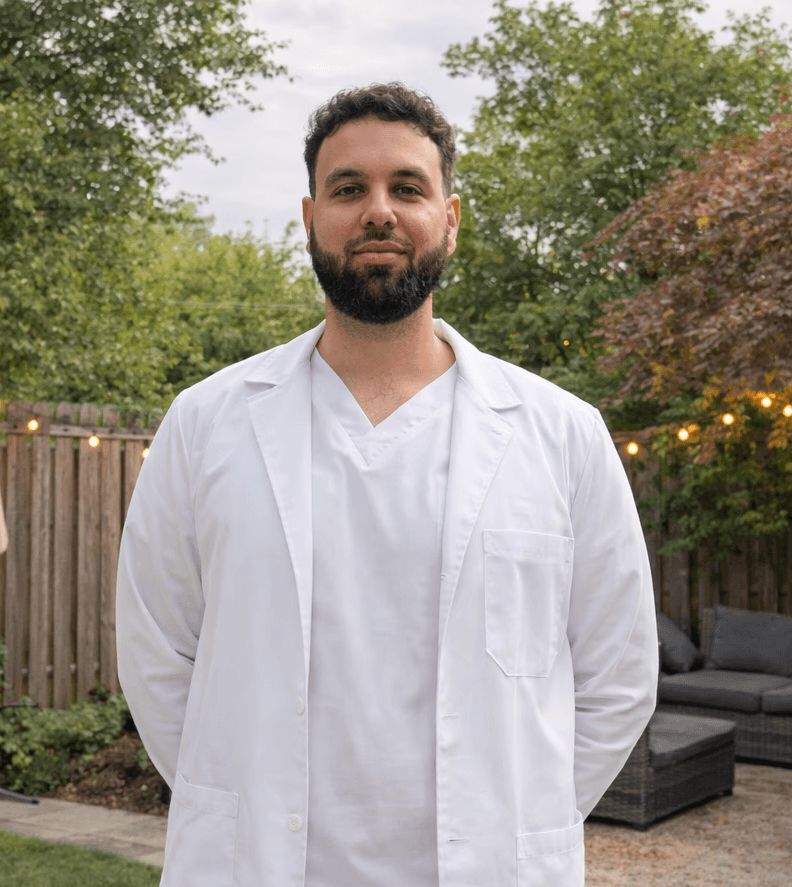
So you Googled "umch hamburg acceptance rate" and landed on a wall of vague promises. I get it — I'm Dr. Dylan, a doctor and one of the co-founders here at Medently, and I've walked a bunch of students through exactly this question. Let's cut through it. UMCH (University Medical School Hamburg) is an English-taught medicine program in Germany, and the honest truth is: there's no single magic percentage floating around like "8% acceptance" that you can compare against a US Ivy. Anyone who quotes you a hard number is making it up.
What the UMCH Hamburg acceptance rate actually means
Here's the thing that trips people up. In Germany and across much of Europe, private and English-taught medical programs like UMCH don't run a lottery-style numerus clausus the way German public unis do (where your Abitur grade is basically everything). Instead, UMCH looks at your whole application — your academic background, your science foundation, your motivation, and usually an interview or assessment step.
That changes the whole conversation. The "acceptance rate" isn't really the useful metric. The useful question is: is your profile a fit, and did you prep for the assessment? I've seen students who were convinced they'd never get into medicine — because their school grades weren't top 2% — get a spot because they showed up prepared and could actually talk about why they want to be a doctor.
The acceptance rate is not the useful metric: UMCH admits on your whole application and an interview or assessment, not a top-of-class grade cutoff.
Is UMCH Hamburg hard to get into?
Competitive, yes. Impossible, no. UMCH is a private medical school, so it's selective in the sense that it wants students who'll actually make it through six years of medicine and not wash out. But "selective" here means "can you do the work and do you really want it" — not "are you in the top fraction of a percent of your graduating class."
Real talk: the biggest reason people don't get in isn't intelligence. It's a sloppy application, a weak science profile they didn't shore up, or freezing in the interview. All three are fixable. That's literally why Medently exists.
What you generally need
- A solid high-school diploma with science subjects (biology and chemistry carry weight).
- English proficiency — it's an English-taught program, so you'll need to demonstrate it.
- To pass the admission step — an interview and/or assessment rather than a pure grade cutoff.
- Documents legalized properly — boring but it sinks more applications than you'd think.
Exact requirements and the current intake details live on the UMCH page, and they do shift between intakes, so don't trust a random forum post from three years ago.
Tuition and fees — the ballpark
UMCH is private, so it isn't free the way German public universities are for EU students. Tuition is a real line item you should plan for. I'm not going to throw a fake euro figure at you here, because fees get updated and I'd rather you have the current one — that's exactly the kind of thing we pull up live for you on a call, alongside a clear cost comparison with your other options.
UMCH vs. EU/EEA-recognized alternatives
One thing I always make sure students understand: UMCH is a great fit for some people, but it's not the only door. We also partner with three public-sector EU universities whose degrees come with automatic EU/EEA recognition. Quick honest comparison:
The 4 real options at a glance
Here is how UMCH compares with the three EU/EEA-recognized alternatives we also work with.
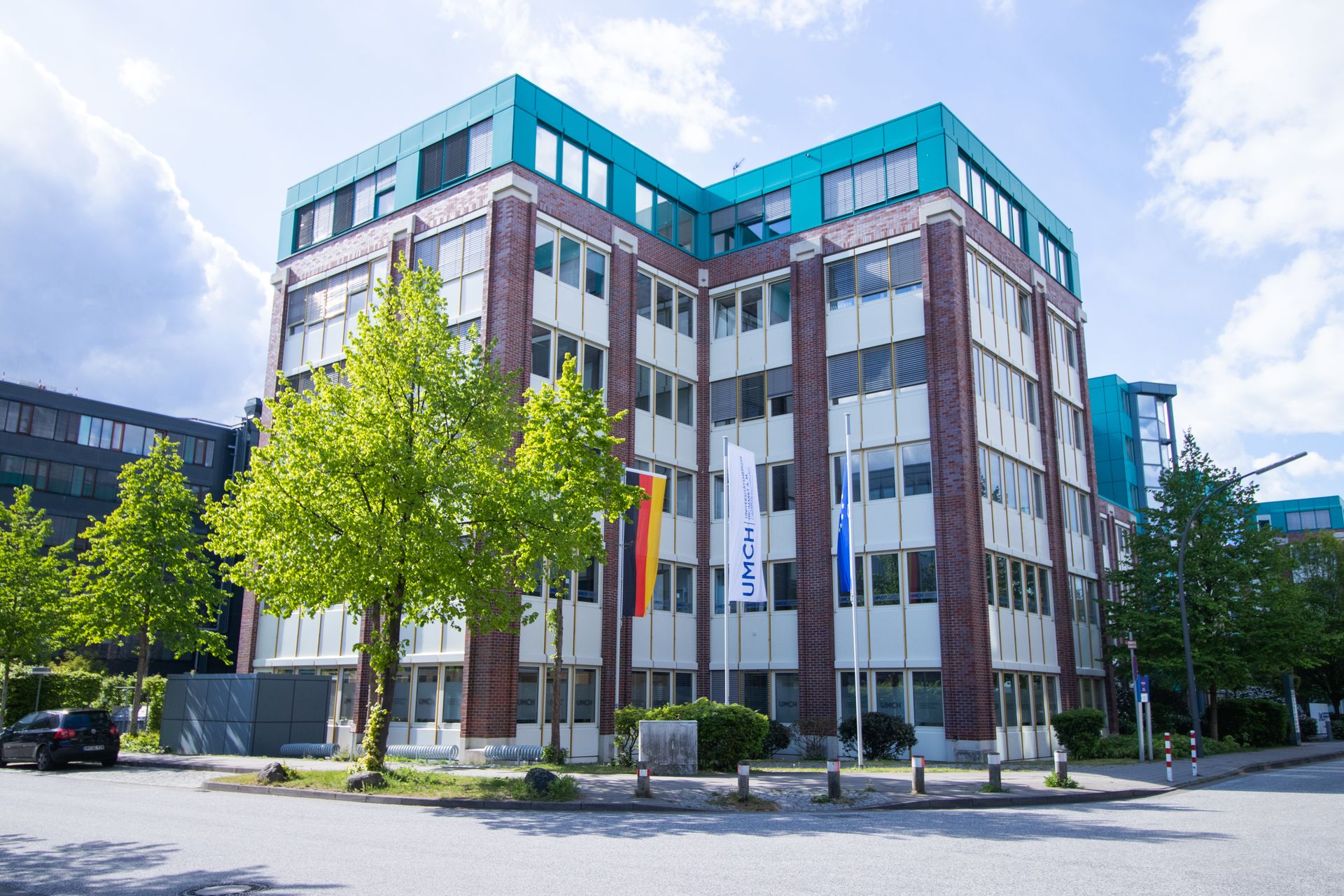
Hamburg, Germany: profile-based admission, no grade cutoff
- English-taught medicine program in Germany
- Private school with profile-based admission
- Interview or assessment instead of a pure grade cutoff
- No fixed acceptance-rate percentage is published
Košice, Slovakia: EU-recognized degree, exam-based entry
- EU/EEA-recognized degree (EU Directive 2005/36/EC)
- Entrance exam in biology and chemistry
- Recognized in Norway via Helsedirektoratet
- Free practice flashcards to drill the exam

Olomouc, Czechia: EU-recognized, entrance-exam admission
- EU/EEA-recognized degree
- Admission through an entrance exam
- Public-sector EU university in Czechia

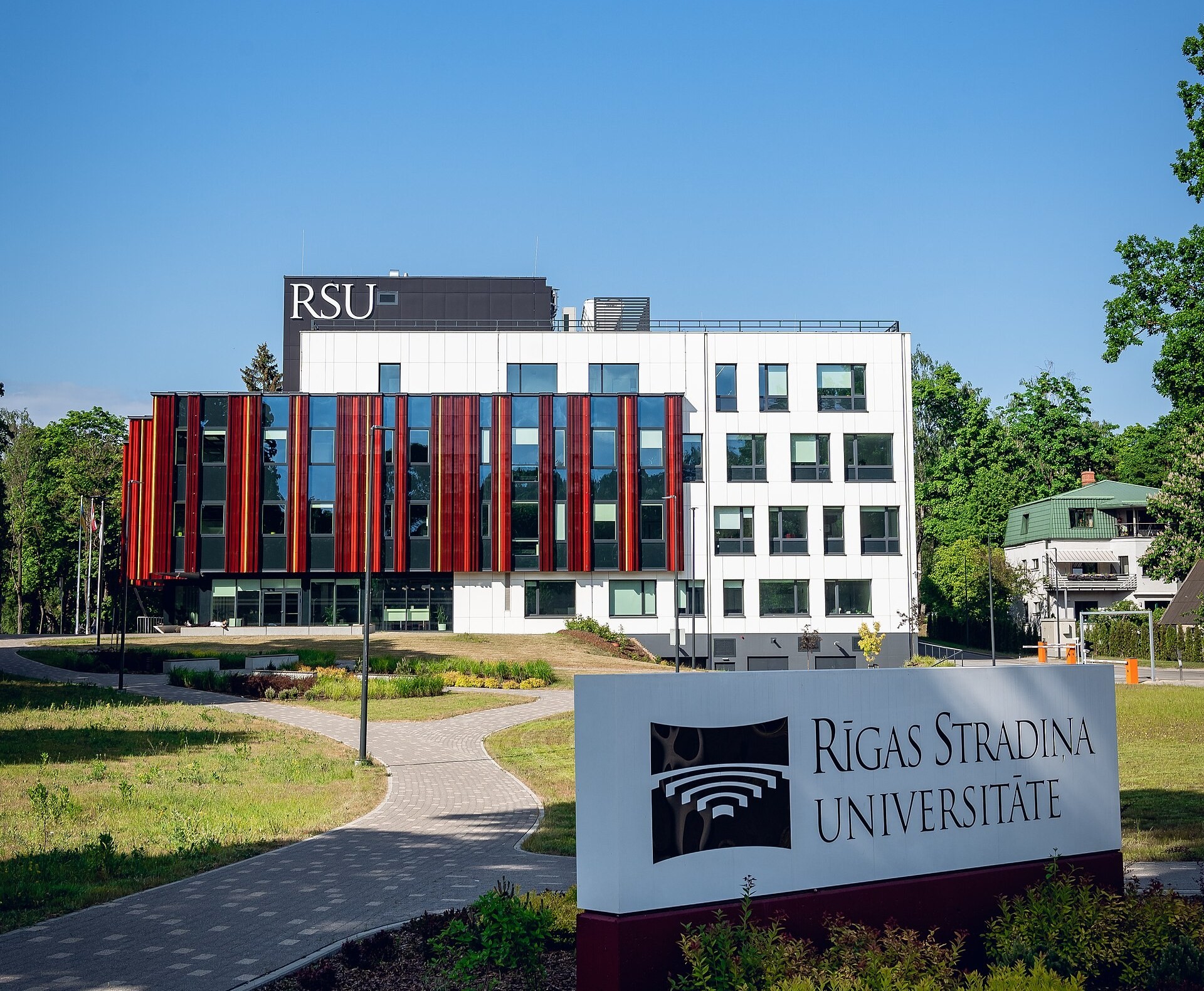
Riga, Latvia: no entrance exam, admission on grades
- No entrance exam, admission on grades
- EU/EEA-recognized degree
- Public-sector EU university in Latvia
| Option | Country | Note |
|---|---|---|
| UMCH Hamburg | Germany | English-taught, private, profile-based admission |
| UPJŠ Košice | Slovakia | EU/EEA-recognized degree; entrance exam in bio/chem |
| UPOL Olomouc | Czechia | EU/EEA-recognized degree; entrance-exam admission |
| RSU Riga | Latvia | EU/EEA-recognized degree; no entrance exam, admission on grades |
Why does recognition matter? Degrees from UPJŠ, UPOL and RSU are recognized across the EU/EEA — including Norway, where you get your autorisasjon via Helsedirektoratet — under EU Directive 2005/36/EC. And both admit through an entrance exam in biology and chemistry rather than a high-school grade cutoff. If you missed the Norwegian karaktersnitt, that's a genuine second path. If you want to drill for that exam, our practice flashcards are free to use.
How students actually get into UMCH
Here's how it tends to go when it works. You figure out whether UMCH or an EU-recognized option fits your goals (where do you want to practice afterward?). You get your documents and science profile in shape. You prep for the interview/assessment so you don't freeze. Then you apply on time — intakes have deadlines and they fill.
That's the whole loop we run with students, guided, free, and way less scary than it sounds. No agency fees — Medently doesn't charge you. Saif, our founder, is a med student who went through this himself; Husnein handles the legalization and market side so your paperwork doesn't tank your application. You get people who've actually done this.
FAQ
What is the UMCH Hamburg acceptance rate?
UMCH doesn't publish a fixed acceptance-rate percentage. Admission is based on your overall profile plus an interview/assessment rather than a strict GPA cutoff, so any specific percentage you see quoted online is unverified. Check the UMCH page or ask us for current details.
Is UMCH Hamburg hard to get into?
It's selective but achievable. It rewards a strong science foundation, genuine motivation, and good interview prep over raw class rank — so students who missed a high grade cutoff at home still have a realistic shot.
How much does UMCH Hamburg cost?
UMCH is a private medical school, so tuition is a real cost to budget for (it isn't free like German public universities). Fees change between intakes — book a free call and we'll pull up the current figure with a side-by-side cost comparison.
Is a UMCH or EU medical degree recognized in Norway?
Degrees from our EU partners UPJŠ and UPOL are recognized across the EU/EEA, including Norway, where you obtain autorisasjon via Helsedirektoratet under EU Directive 2005/36/EC. For UMCH specifically, recognition pathways depend on where you plan to practice — we'll walk you through it.
Every Medently student gets free document handling, entrance-exam flashcards where there is an exam, and direct chat with current students at UPJŠ, UPOL, UMCH and RSU. No fees, no hidden costs.
Ready to apply to medicine or dentistry in Europe?
Talk to active students. 100% free advisory from Medently.
