Study Medicine in Europe
Six years, taught fully in English, at EU universities whose degrees are recognised in Norway, the UK and across Europe. One entrance exam decides it, and we prepare you for it for free.
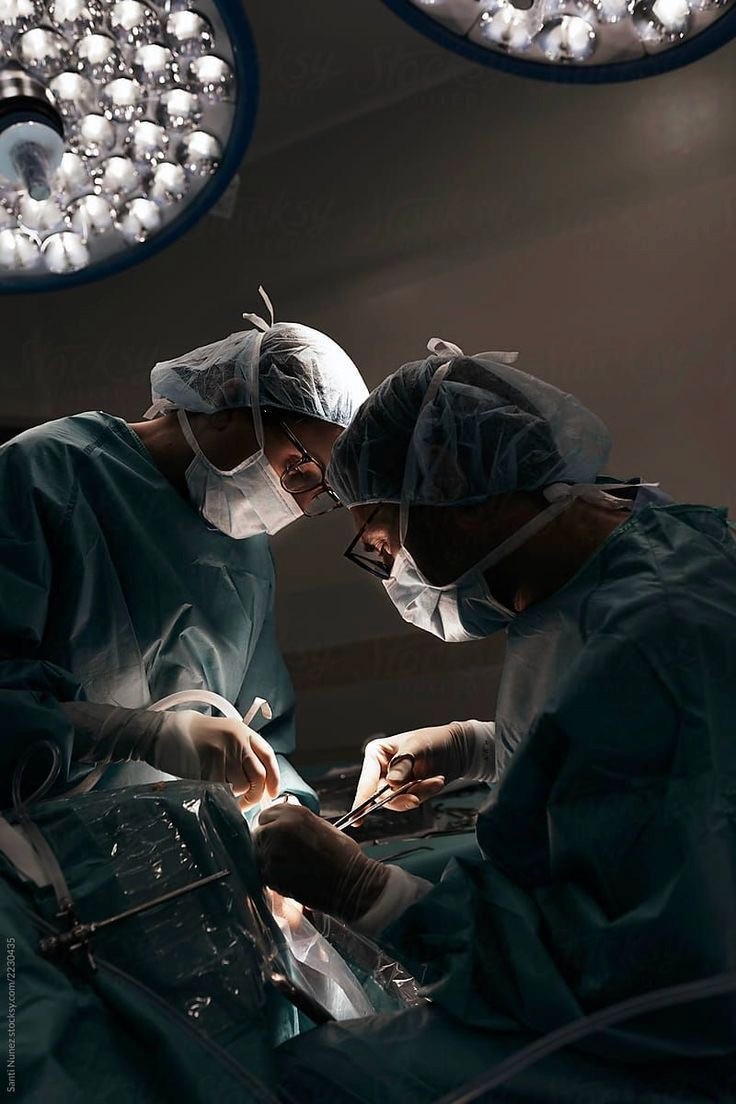
What six years of medicine actually looks like
The structure is the same everywhere in Europe. Two years learning how a healthy body works, one year learning what goes wrong with it, then three years in hospital learning to treat it.
Pre-clinical
The foundation. Long days of anatomy, physiology and biochemistry, with dissection and lab work. This is the heaviest part of the degree for most students, and the part we prepare you for before you even arrive.
The bridge year
You move from healthy to sick. Pathology and pharmacology explain disease and the drugs that treat it, and you meet your first patients on the ward alongside a doctor.
Clinical years
You spend most of your week in the teaching hospital, rotating through the main specialities in small groups. By the final year you are taking histories, presenting cases and assisting in theatre.
How you finish
The final year ends with state exams in the core specialities. You graduate as a medical doctor, MUDr. in Slovakia and Czechia, MD in English, and then apply for your licence in the country where you want to work.
What language do you actually work in?
Everything you are examined on is in English. Alongside it you take the university's own medical language classes in Slovak, Czech or German, because from the clinical years you talk to real patients on the ward. It is part of the timetable, not something you arrange yourself.
Where you can study medicine with us
Six universities, all English-taught, all EU-recognised. The right one depends on your budget, how you want to get in and where you want to live.

UPJŠ Košice
Medical faculty founded in 1948, English programmes since 1992, hands-on training at the Košice teaching hospital.
UPOL Olomouc
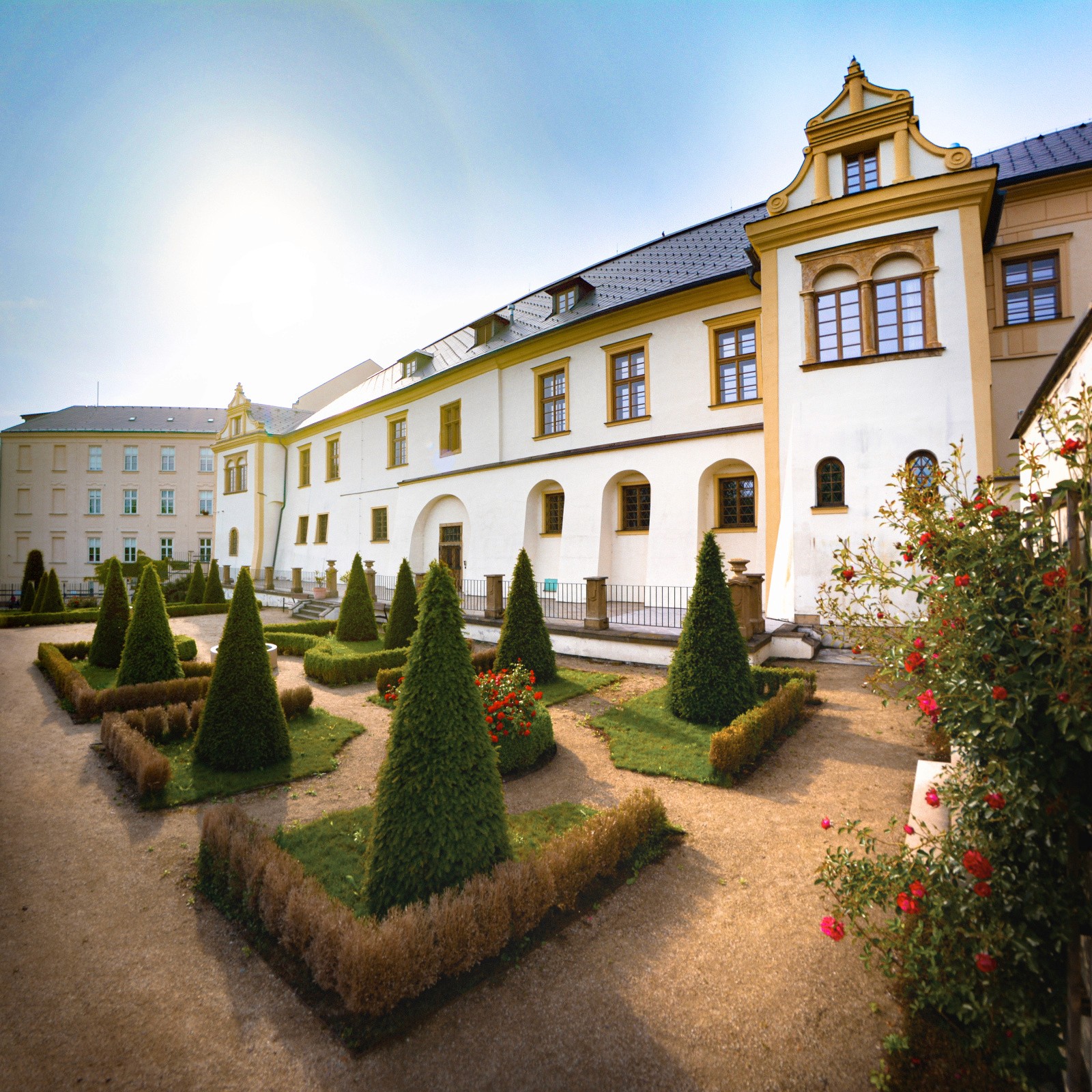
Palacký University was founded in 1573 and is one of the most respected addresses in Central Europe. You never have to travel for the exam.
UMCH Hamburg
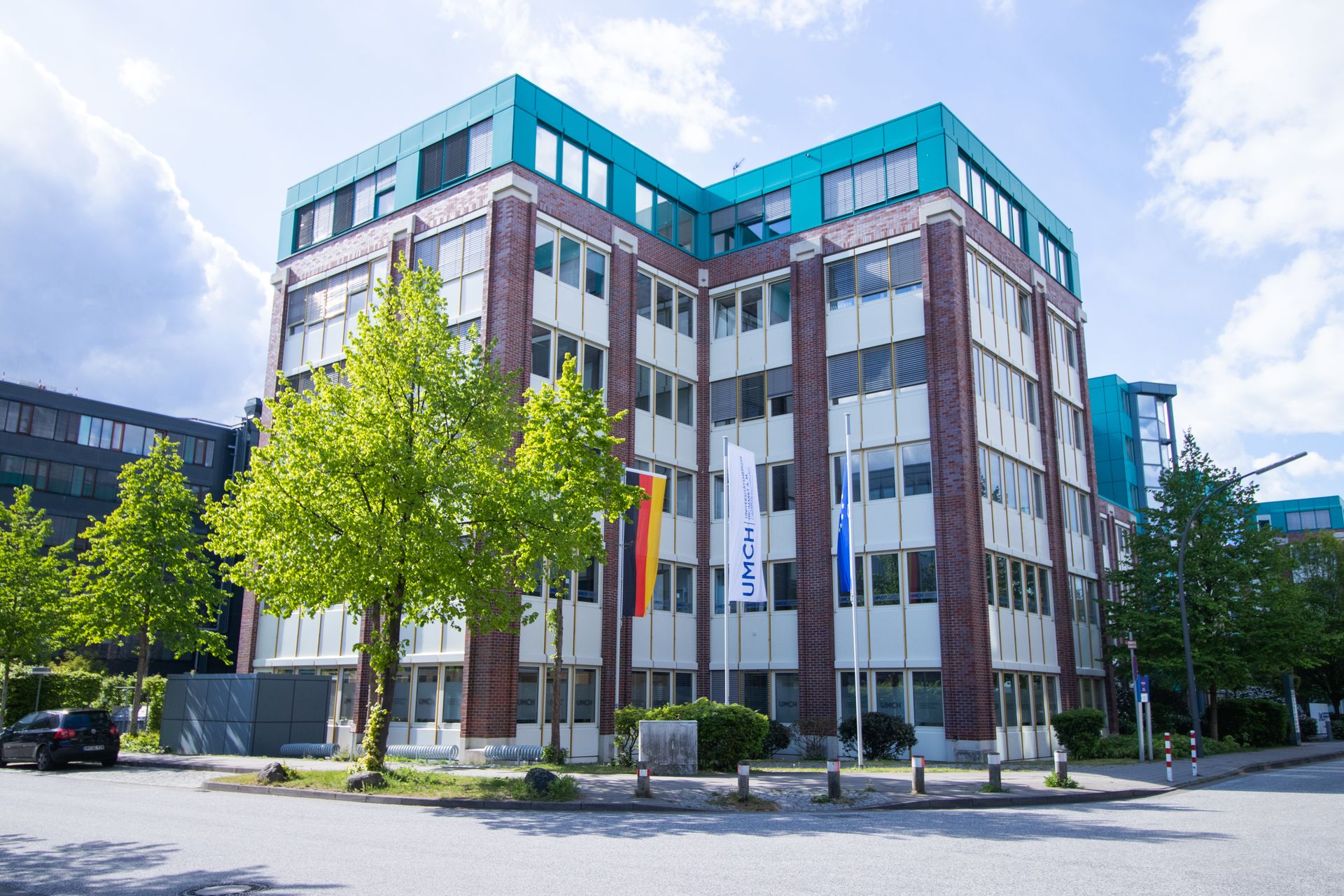
Study medicine in Germany in English, with clinical rotations across 12 German teaching hospitals from the third year.
RSU Riga
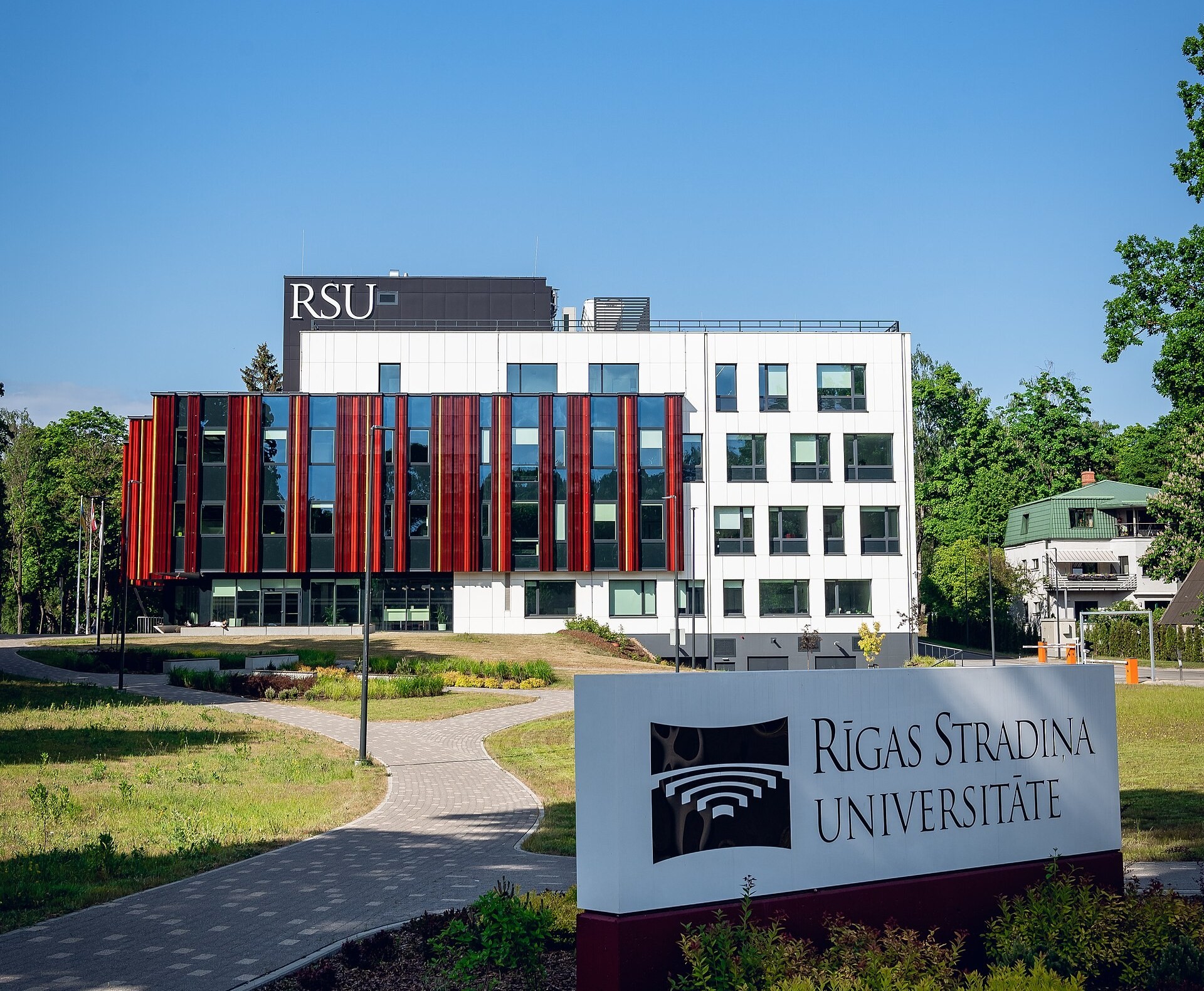
Founded in 1950 in the Latvian capital, with one in four students from abroad. The February 2027 intake is open, with studies from 2 February.
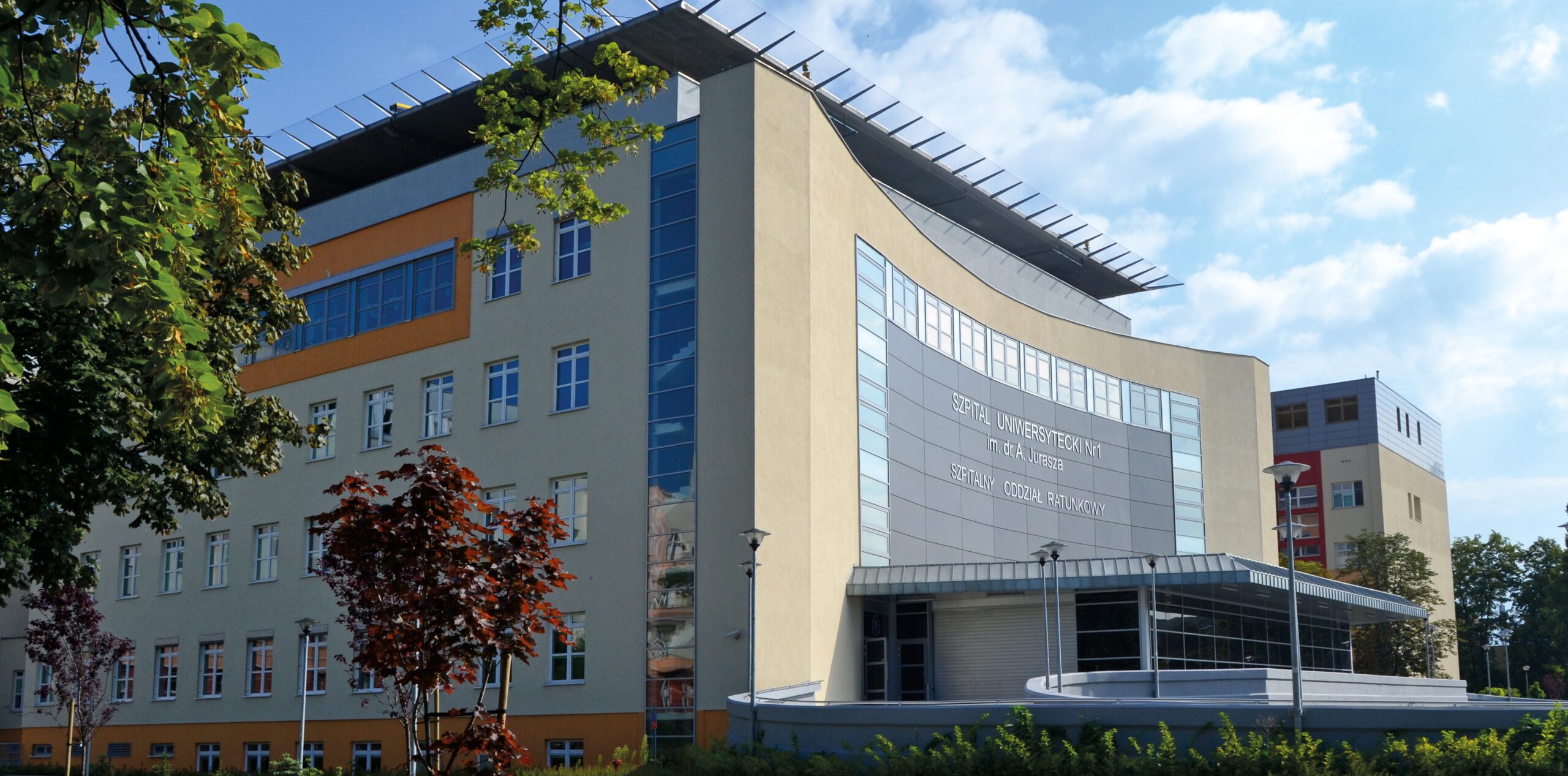
NCU Bydgoszcz
Collegium Medicum of Nicolaus Copernicus University has taught medicine in English since 2009, starting with Scandinavian students. Tuition is locked for the whole programme.
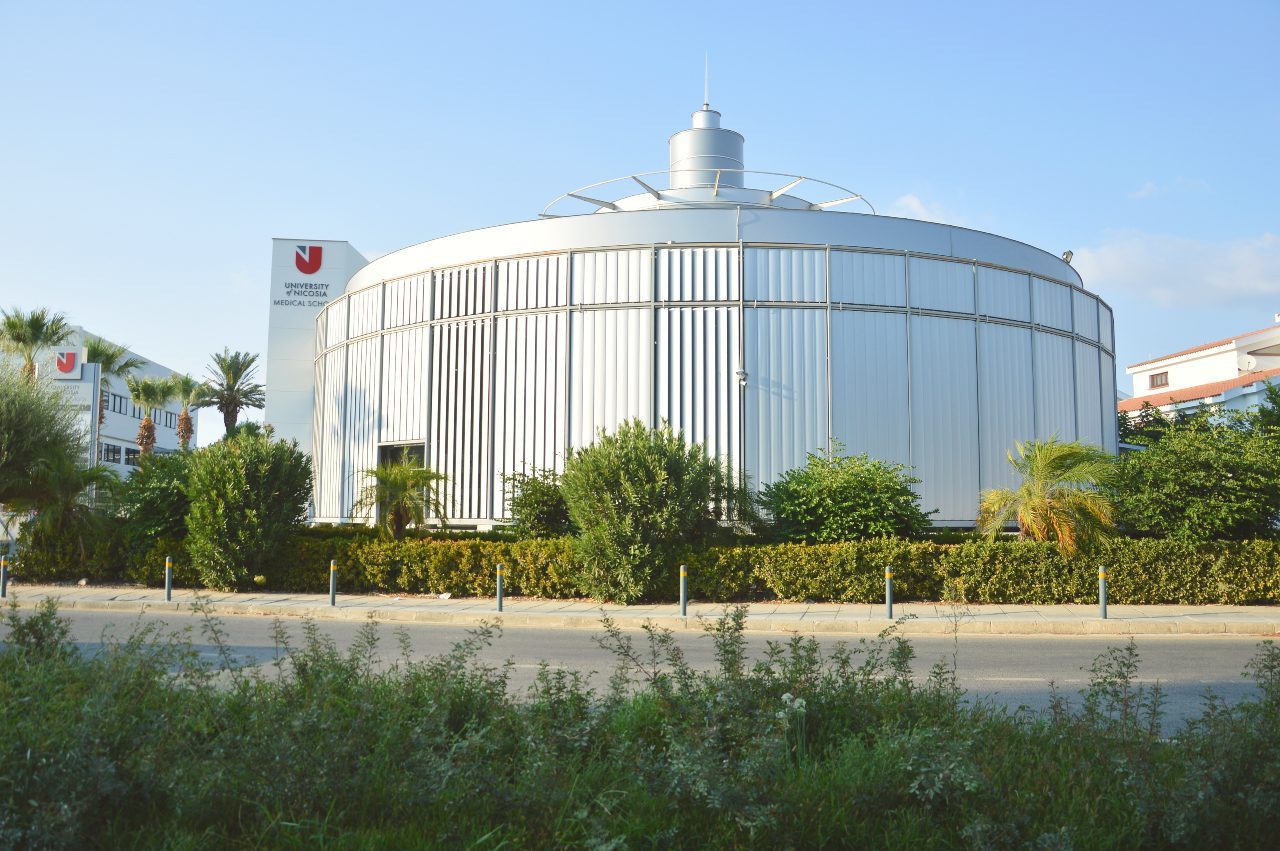
UNIC Nicosia
One of the Mediterranean's largest medical schools, with students from around 90 countries and a purpose-built campus in the Cypriot capital.
Not sure which of the six fits you? Book a free call and we compare them against your grades, budget and timeline.
How you get in depends on the university
Some universities admit on one entrance exam, some on your grades alone, and NCU asks for the right subjects on your diploma plus an exam. Every route below is real, and we walk it with you, free.
Get in with one entrance exam
No grade requirements at all — the exam decides, and we prepare you for it free.
Get in with your grades
No entrance exam — your diploma and documents decide.
Diploma subjects plus an entrance exam
No minimum grades, but Biology plus Chemistry or Physics must appear on your diploma — then the exam decides.
What you need
- A finished high school diploma, 12 years of schooling. UK students need at least 3 A-levels in any subjects.
- A pass in the entrance exam. Biology and chemistry are the core everywhere, and we give you the material and mock tests for free. RSU in Riga and UNIC in Nicosia are the exceptions, with no entrance exam at all.
- Proof that you can study in English. A certificate if you have one, or the university's own English test on exam day.
- Your documents on time. We translate, check and submit them with you, so nothing arrives late.
What you do not need
- No top grades. There is no numerus clausus and no points race. The exam decides.
- No physics or maths at UPJŠ. The exam there is biology and chemistry only.
- No IELTS in most cases. UPOL includes an English test on exam day and UMCH checks your English in the interview.
- No agency fees, ever. Medently is free for students. We are paid by the universities, not by you.
Entrance exams run through the summer and you normally sign up about a week before the date you want. Every student who applies through us gets the question banks, the mock exam and a study plan at no cost.
What it costs, with nothing hidden
Tuition is paid to the university, usually in two instalments a year. You never pay us anything, and we never add a fee on top.
At UPJŠ, UPOL, UMCH and NCU your tuition is locked when you enrol and does not go up year on year while you study. Norwegian students at our partner universities can fund the whole thing through Lånekassen, roughly 335,000 NOK a year for 2026/27 once you count basic support, the tuition loan and travel support.
What the degree is worth when you finish
All six universities are EU-accredited and listed in the World Directory of Medical Schools, so the door is open in Europe and beyond.
🇪🇺 European Union and EEA
Your degree is automatically recognised across the EU and EEA, so you can apply for a licence in any member country.
🇳🇴 Norway
You apply to Helsedirektoratet for autorisasjon, then take the same LIS1 route as any other doctor. Hundreds of Norwegian doctors qualified exactly this way.
How autorisasjon and LIS1 work →🇬🇧 United Kingdom
You register with the GMC. UPJŠ alone has a large number of graduates already practising in the UK.
🇺🇸 United States and Canada
All six are WDOMS listed, which makes graduates eligible to sit the USMLE and pursue licensure in the US and Canada.
Where graduates end up
Four steps, and we do most of the work
You will always know what is happening and what comes next. If you get stuck, message us on WhatsApp and a real person answers.
Send your application
One short form on our apply page. Name, school, the programme you want. It takes a few minutes and costs nothing.
We check your documents
We tell you exactly what needs translating or certifying, and we check every page before anything is sent to the university.
You prepare and sit the exam
You get the question bank, a study plan and a full mock exam. We book your exam date with you, then you sit it.
You get in and we help you land
Acceptance letter, enrolment papers, visa if you need one, and help finding somewhere to live before term starts.
The things students ask us most
How long does it take to become a doctor in Europe?
Do I need biology and chemistry from high school?
Is the whole degree really taught in English?
How much does it cost in total?
Can I get Lånekassen support?
What happens if I fail the entrance exam?
Can I transfer into medicine from another university?
Studying medicine in Europe in English: the short version
Studying medicine abroad in English has become the normal route for thousands of European students who did not get a place at home. The degree is the same length as at home, six years, and it ends in the same qualification: a medical doctor who can apply for a licence anywhere in the EU and EEA. What changes is how you get in. Instead of competing on a grade average, you sit one entrance exam in biology and chemistry, and a well-prepared student with average grades gets in.
Medently works with six universities for medicine: Pavol Jozef Šafárik University in Košice, Palacký University in Olomouc, UMCH in Hamburg, Rīga Stradiņš University (RSU) in Riga, NCU Collegium Medicum in Bydgoszcz and the University of Nicosia (UNIC) in Cyprus. UPJŠ and UPOL cost €13,000 and €12,500 a year and start every September. UMCH costs €25,000 a year for Norwegian students, €29,800 for EU/EEA students and €34,800 for international students, and starts in October. NCU costs about €14,700 a year, locked for the whole programme, with an October start. RSU costs €13,500 a year, has no entrance exam at all, and runs a February intake with studies from 2 February 2027. UNIC costs €22,000 a year, admits on your grades with rolling admission, and starts in September. All six teach the entire programme in English and all six appear in the World Directory of Medical Schools.
The practical side is where most students get stuck: which documents need translating, when the exam is, what the postmark deadline means, how to fund it through Lånekassen, where to live when you arrive. That is the part we do with you, and we do not charge students for it. We are paid by the universities, so our guidance, the exam prep, the document checks and the help finding accommodation are all free.
Ready to start your medical degree?
Apply in a few minutes. We check your documents, get you ready for the exam and stay with you until you start. It costs you nothing.
