Yes, you can still apply to medical school in Europe for September 2026. English-taught programmes at UPJŠ Košice, UPOL Olomouc and UMCH Hamburg run entrance-exam sittings all through the summer, and you can usually register up to about a week before one. Medently signs you up for free.
Quick story before anything else. When I was googling this exact question a couple of years back, every result told me medicine was a January decision and I had somehow already blown it. I'm now a medical student in Europe, and I signed my study contract in August. So when someone asks me, can you still apply to medical school in Europe for September 2026, my answer is a calm, slightly amused yes. Sittings are still running. A good chunk of my year applied over the summer. This is normal here, not some back door.
These universities admit through entrance-exam sittings that run all through the summer, not one big application deadline: register up to about a week before a sitting, score well, and you join the same September 2026 intake for the same 6-year degree.
Here's what nobody ranking on Google tells you: European deadlines vary wildly by faculty. Charles University in Prague did close back in April, sure. But Masaryk in Brno takes applications until 31 July and several Polish universities admit through August and September, per Medhead's big deadline roundup. The "seats fill by February" guides are written by paid agencies that want you locked in early. Meanwhile the three exam universities Medently partners with run admissions deep into the summer, on purpose, every single year. And if you miss those, our fourth partner, RSU in Riga, opens applications on 1 September 2026 for a February 2027 start, with no entrance exam at all.
Yes, you can still apply to medical school in Europe for September 2026
The mechanic that makes this work is simple. These schools admit through entrance exams, not through one big application deadline, and the exam sittings run all through the summer. You pick a sitting, register (usually possible up to about a week beforehand), sit the test, and if you score well you're in the September 2026 intake, academic year 2026/27. Same lecture hall, same 6-year MUDr. degree as someone who applied back in November. A summer application is not a discount version of medical school.
And if you're reading this after a rejection at home, you're exactly who this route exists for. We wrote a whole piece on that: Rejected from medical school? Study abroad.
The 4 real routes at a glance
Every route below is open this summer or autumn, and Medently registers you for free.
Košice, Slovakia: in-person exam 12 August 2026
- 210 General Medicine and 40 Dental Medicine seats for 2026
- 200 MCQs, 100 biology and 100 chemistry, scored up to 800 points
- €13,000 per year for medicine, locked when you enrol
- €30 application fee
- Free UPJŠ-style practice questions and flashcards

Olomouc, Czech Republic: online sittings into early August
- Written test in chemistry, biology and physics or maths, plus an interview
- Results within a week of the interview
- Application must arrive at least two weeks before your exam date
- Medicine €12,500 per year with 65 places

Hamburg, Germany: rolling admissions, decision in 48 hours
- English interview plus a 90-minute, 75-question written evaluation
- Admission decision within 48 hours
- Application fee €595, no German required
- Tuition €25,000 per year
- Medicine only, no dentistry
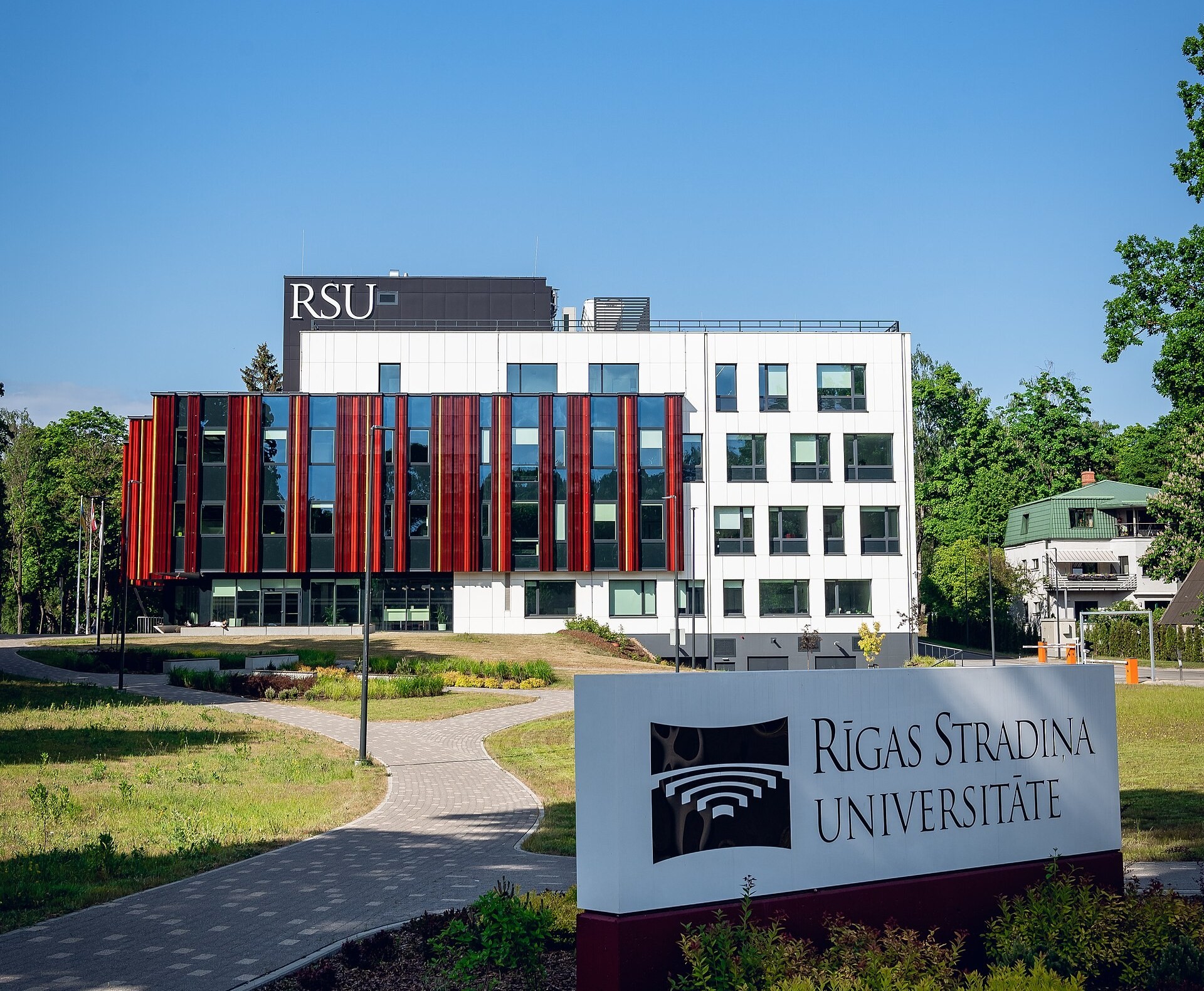
Riga, Latvia: no entrance exam, February 2027 start
- Applications open 1 September 2026
- February 2027 start
- No entrance exam at all
- Medently's fourth partner university
Which medical schools in Europe are still accepting applicants for September 2026?
UPJŠ Košice, Slovakia
Pavol Jozef Šafárik University's Faculty of Medicine has run its English-taught programme for over 30 years and has more than 1,600 international graduates. For 2026 it's admitting 210 students to General Medicine (6 years, MUDr.) and 40 to Dental Medicine (5 years, MDDr.). The next in-person sitting is 12 August 2026 in Košice. There was even an extra sitting in Oslo on 20 July this summer, which tells you how late these genuinely run. The application fee is €30 and tuition is €13,000 per year for medicine (€13,500 for dentistry). Full picture on our UPJŠ page. This is where I know the admission process inside out.
Palacký University Olomouc (UPOL), Czech Republic
UPOL's Faculty of Medicine and Dentistry runs its entrance exams online, with sittings into early August. The exam is a written test in chemistry, biology and physics or maths at A-level standard, plus an interview, and results land within a week of the interview. Your application needs to arrive at least two weeks before your chosen exam date, which is exactly why sorting it this week keeps every option open. Medicine is €12,500 per year with 65 places; dentistry is a 5-year MDDr. at €14,000 with 20 places. Details on our UPOL page.
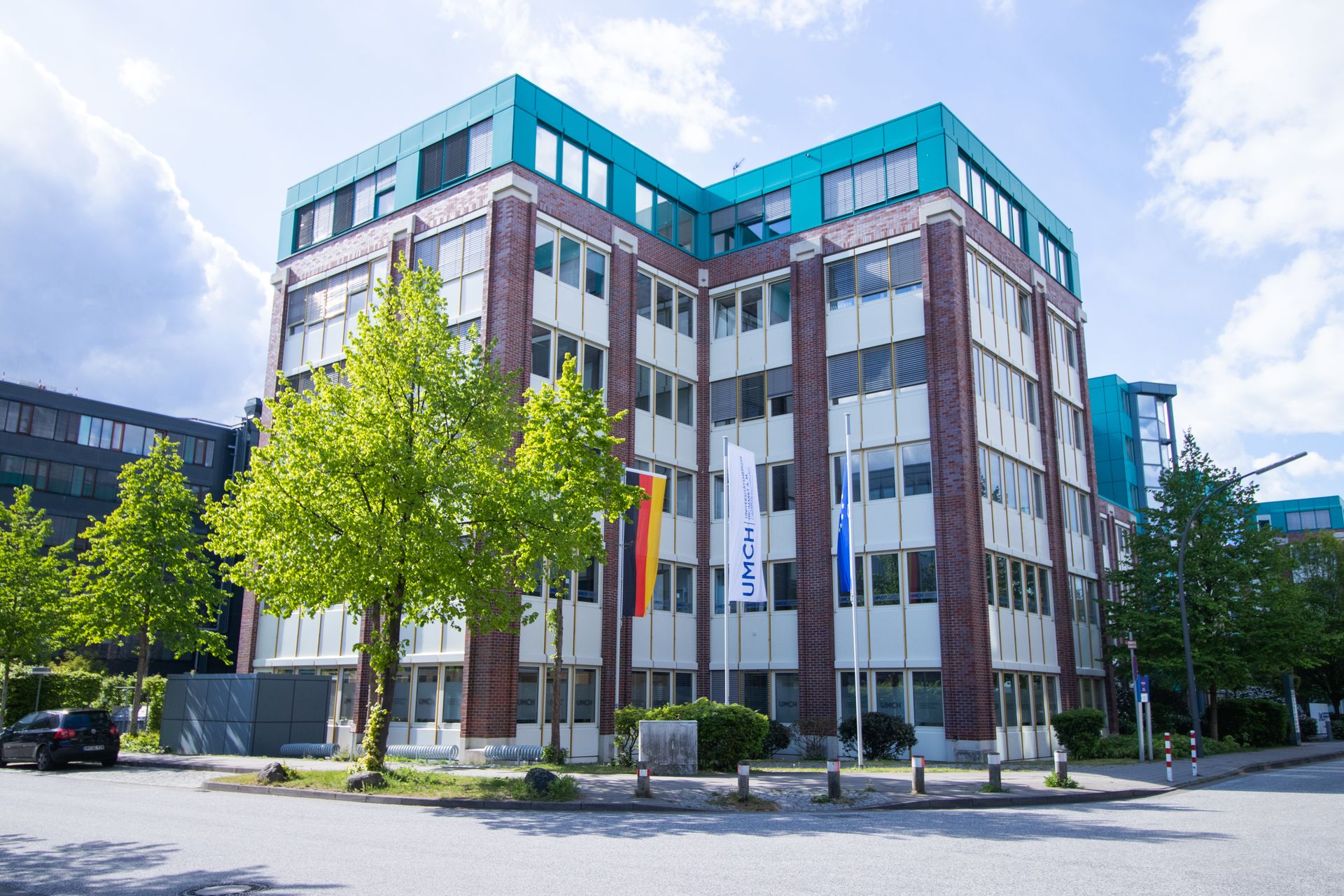
UMCH Hamburg, Germany
UMCH, the Hamburg campus of G.E. Palade University of Medicine, Pharmacy, Science and Technology of Târgu Mureș, is the speed run of this list. Admissions are rolling, the application period for the coming year runs to the end of July, and the whole thing happens online: a 15 to 20 minute interview in English plus a 90-minute written evaluation of 75 multiple-choice questions in biology, chemistry and general knowledge, weighted 60% written and 40% oral. You get an admission decision within 48 hours. The application fee is €595, no German is required, and it's medicine only (no dentistry here). See our UMCH page. If the July window has just rolled past when you read this, message us anyway; we'll point you at the next open route, no drama.
| University | Where | Next chance | Exam | Tuition (medicine) |
|---|---|---|---|---|
| UPJŠ Košice | Slovakia | 12 Aug, in person | 200 MCQs, bio + chem | €13,000/yr |
| UPOL Olomouc | Czech Republic | Online, into early Aug | Written test + interview | €12,500/yr |
| UMCH Hamburg | Germany | Online, rolling | Interview + 75 MCQs | €25,000/yr |
The entrance exams, and how to prep in a few weeks
No UCAT. No BMAT. Each university runs its own admission process, and it's all school-level biology and chemistry, not some mythical genius filter.
- UPJŠ: one written MCQ test, 2.5 hours, 200 questions (100 biology, 100 chemistry), scored up to 800 points. You sit it once per admission year per programme, so give it two or three weeks of properly focused prep.
- UPOL: written chemistry, biology and physics or maths, then an interview. The physics-or-maths part surprises people; pick whichever you were stronger at in school and drill it.
- UMCH: 75 multiple-choice questions in biology, chemistry and general knowledge, plus a short interview in English. Practise talking about why medicine, out loud, to an actual human.
I prepped for my own sitting in under a month: flashcards on the bus, past-paper marathons on weekends. It was enough, and I'm far from the only one. We keep free UPJŠ-style practice questions and flashcards covering exactly this bio and chem, and our AI advisor answers prep questions at 2am when nobody else will.
Your week-by-week timeline from today to your first lecture
This is the map I wish someone had drawn for me. From late July, it looks like this:
- This week: pick your university (or two, you can apply to more than one) and start your application. It takes about 20 minutes, and we register you for the next available sitting for free.
- The next one to three weeks: prep. Flashcards daily, past papers on weekends. With UPOL sitting online into early August and UPJŠ in Košice on 12 August, you have a real runway.
- Exam day: from your own desk for UPOL and UMCH, in person in Košice for UPJŠ.
- Days after: decisions. UMCH confirms within 48 hours, and UPOL results arrive within a week of the interview.
- Mid-August: acceptance letter and study contract. Non-EU students start the visa process now; EU and EEA citizens don't need one.
- Late August: housing (dorm or shared flat, we help with both), flights, packing.
- September: orientation week, an anatomy textbook heavier than your suitcase, and you're a medical student.
Want the fuller version covering every intake? We keep a complete European medical school application timeline updated on the blog.
Documents you need (fewer than you'd think)
- High-school diploma and transcripts: ideally showing biology and chemistry.
- Passport or national ID: valid, that's it.
- Application form plus the university's fee: €30 at UPJŠ, €595 at UMCH, always paid to the university, never to Medently.
- English evidence, UPOL only: B2 level via IELTS 6.0, TOEFL iBT 87 or PTE 59, or you simply take the faculty's own English test on exam day. UPJŠ and UMCH don't ask for a certificate at all; the exam and interview are in English, and passing them is your proof.
One nuance no other guide covers: the document dates on UPJŠ's official pages (like 29 July for the August sitting) apply to applicants without a representative. Medently is a registered representative, which is exactly how students get signed up much closer to a sitting, usually up to about a week before. And not every paper has to be perfect before exam day; some of it follows after admission, and we tell you precisely what's needed when. Already finished a year of medicine or a science degree somewhere? Look at transferring credits instead.
Same degree, same recognition, locked tuition
Applying in summer doesn't get you a lesser degree. It's the same 6-year MUDr., and under Article 24 of EU Directive 2005/36/EC (minimum five years and 5,500 hours of university training) it's automatically recognised across the EU and EEA, including Norway, where autorisasjon runs through Helsedirektoratet. UPJŠ itself points out that EU member states are obliged to accept diplomas issued in Slovakia regardless of the language you studied in.
The UK is its own thing post-Brexit. Registration isn't automatic, but the GMC runs a dedicated full-registration route for doctors holding a relevant European qualification from the EEA or Switzerland, under which the GMC accepts the qualification rather than re-assessing it from scratch. (Dentists register with the GDC, a separate body.)
Money-wise, here's my favourite underrated fact about these three: your tuition is locked when you enrol. The fee your cohort starts on is the fee for your entire degree. €13,000 a year at UPJŠ means €13,000 times six, flat. No year-on-year creep, no surprises in year four.
How Medently registers you, for free
Medently was started by Saif, who is a medical student himself, together with Dr. Dylan, a practising doctor. We charge no agency fees, ever. The only costs are the universities' own fees, paid straight to them. We check your eligibility, file the application properly, register you for the next available exam sitting, hand you prep materials, and stay with you through the contract, housing and arrival. Reading this from Norway? There's a Norwegian version of this guide too.
If you'd rather talk it through first, grab a free call and we'll map your exact route to September together.
FAQ
Is it too late to apply to medical school in Europe for 2026?
No. English-taught programmes at UPJŠ Košice, Palacký University Olomouc and UMCH Hamburg admit through summer entrance-exam sittings: UPJŠ sits in person in Košice on 12 August 2026, UPOL runs online sittings into early August, and UMCH admits on a rolling basis. You can usually register up to about a week before a sitting.
Do European medical schools require the UCAT or BMAT?
No. Each of these universities runs its own admission process instead: UPJŠ uses a 200-question biology and chemistry MCQ test, UPOL a written test in chemistry, biology and physics or maths plus an interview, and UMCH an English interview plus a 75-question MCQ evaluation.
How long does it take to get an admission decision?
Fast. UMCH Hamburg confirms admission within 48 hours of its online process, UPOL sends results within a week of the interview, and UPJŠ ranks applicants on their 800-point exam score after each sitting.
Can I practise in the UK with a European medical degree?
UK registration isn't automatic after Brexit, but the GMC operates a dedicated full-registration route for doctors holding a relevant European qualification from the EEA or Switzerland, under which the GMC accepts the qualification. Within the EU and EEA, recognition is automatic under Directive 2005/36/EC.
Two more doors are open this autumn. NCU in Bydgoszcz, Poland runs its online entrance exam on 8–9 September (register by 25 August) and again on 23–24 September (register by 15 September), with studies starting 1 October — see the NCU exam guide. And the University of Nicosia in Cyprus has no entrance exam at all: applications are reviewed on a rolling basis until the seats are filled. The step-by-step routes are mapped in how to get into NCU and Europe's no-entrance-exam medical schools.
September 2026 is still very much on the table. See you in the lecture hall. Lisa.
Every Medently student gets free document handling, entrance-exam flashcards where there is an exam, and direct chat with current students at UPJŠ, UPOL, UMCH and RSU. No fees, no hidden costs.
Ready to apply to medicine or dentistry in Europe?
Talk to active students. 100% free advisory from Medently.
