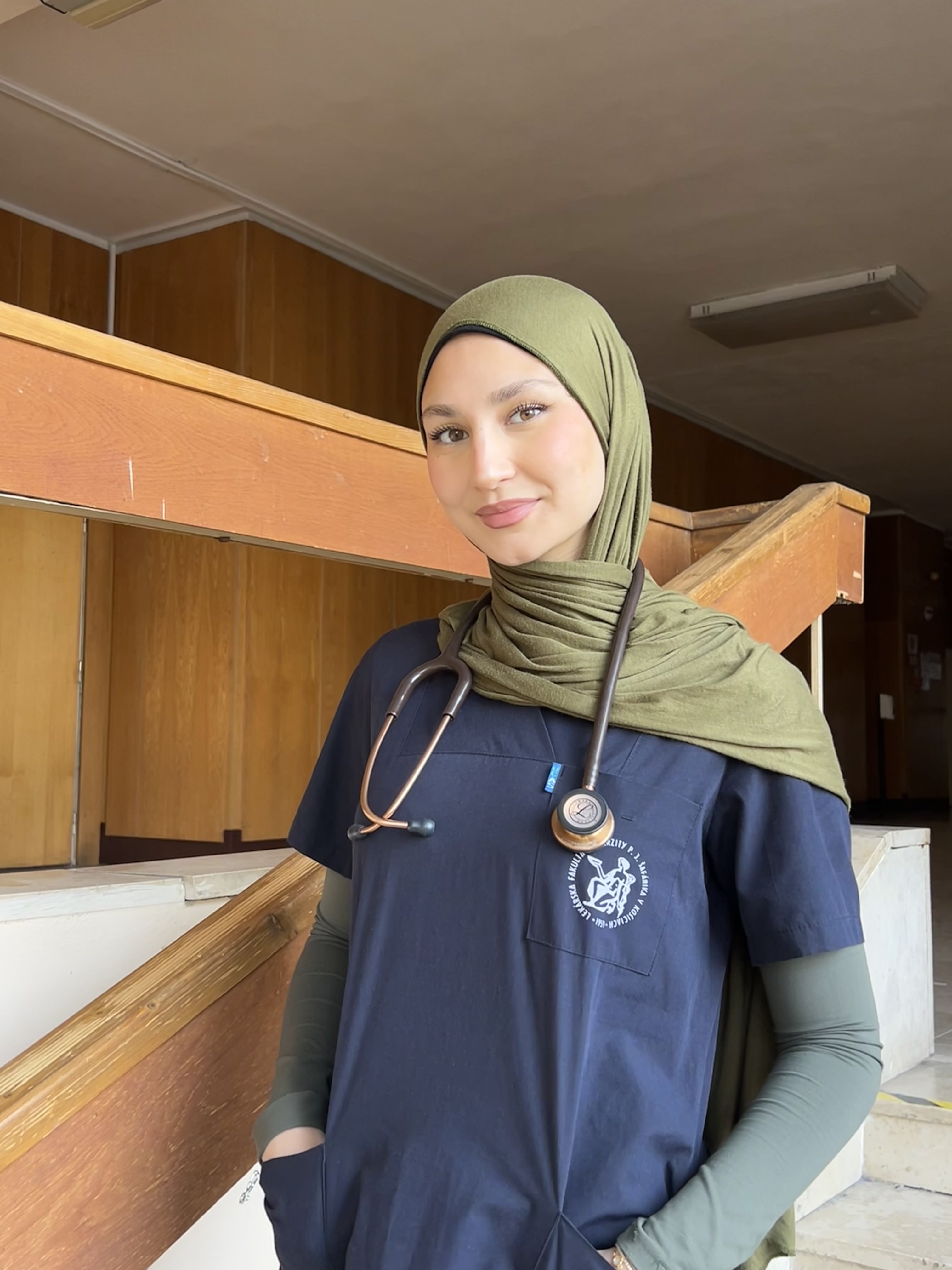
Both Slovakia and Poland offer EU-recognised, English-taught medicine. Poland has the bigger brand-name reputation, but Slovakia — especially UPJŠ Košice — tends to be calmer, cheaper to live in, and easier to navigate with guided, no-agency-fee help.
So you're stuck choosing between two countries that both border each other, both sit in the EU, and both will happily teach you medicine in English. I get it — I've been in that exact spot. Let's talk about studying medicine in Slovakia vs Poland like two friends weighing it out, not like a brochure.
Quick disclaimer up front: I'm not here to trash Poland. Polish med schools are solid and have taught thousands of international doctors. But I want to give you the honest, lived version — the stuff nobody mentions until you're already there.
The 2 real routes at a glance
One university on each side of the border, both English-taught and both with free, no-agency-fee guidance.
Košice, Slovakia: calmer, cheaper, guided
- English entrance exam in biology and chemistry
- EU/EEA recognition under Directive 2005/36/EC
- Lower living costs, smaller cohorts, walkable city
- Free UPJŠ exam flashcards and practice test

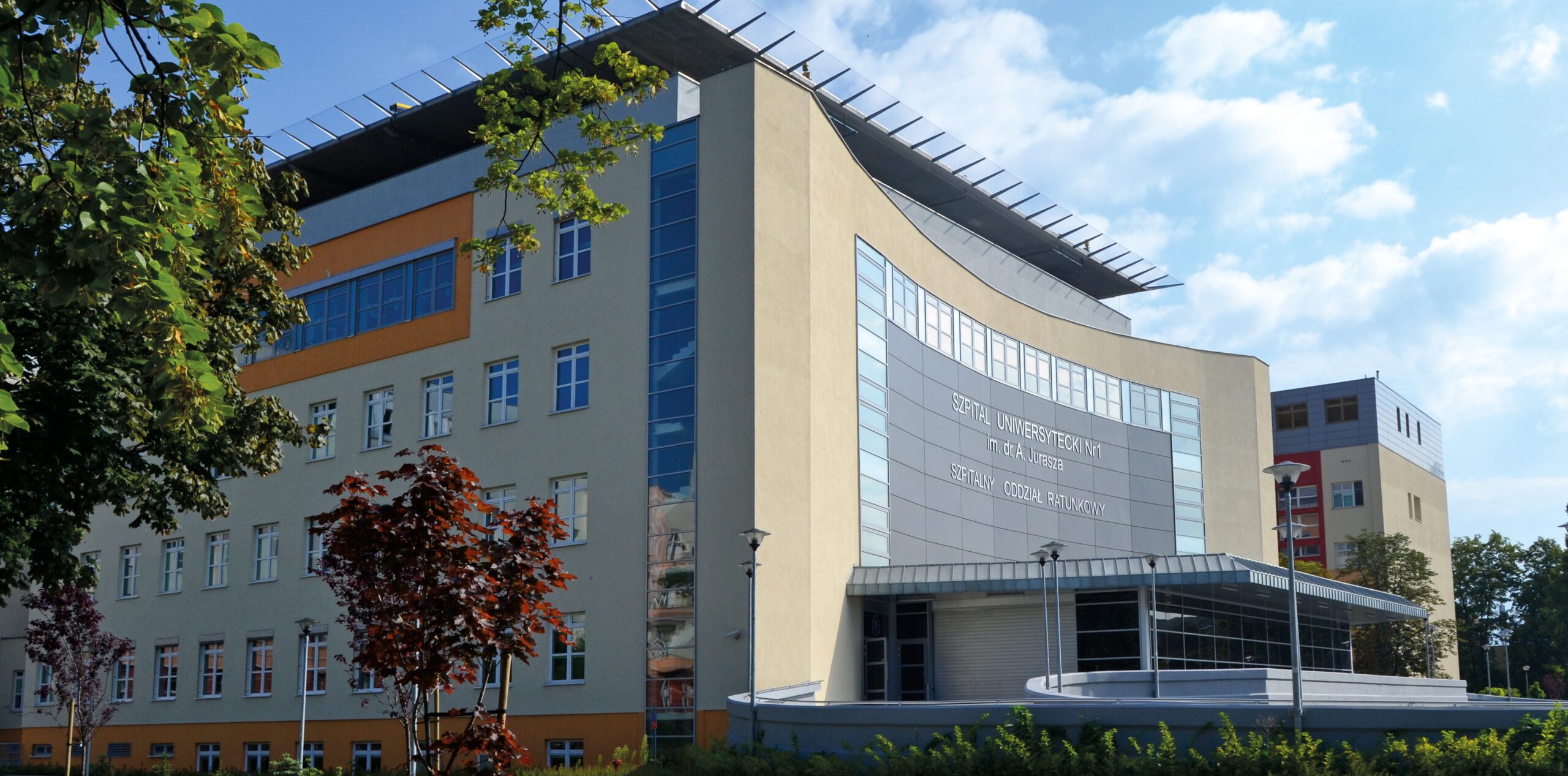
Bydgoszcz, Poland: the Polish route we can guide
- English-taught medicine at about €14,700 a year
- Online entrance exam
- October start
- Help from application to enrolment, free
Studying medicine in Slovakia vs Poland: language of instruction
Both run full English-language medical programs, so you don't need Slovak or Polish to study. The difference shows up off campus. In Poland's bigger student cities you'll find more English spoken day to day, simply because the international scene is huge. In Slovakia — Košice especially — the international cohort is smaller and tighter, which honestly made me learn the local basics faster and feel less like a tourist passing through. Neither is wrong. It's just a vibe difference.
The best country is the one where you actually get in and do not burn out: guidance and fit beat brand name every time.
The entrance exam — this is where it really splits
Here's the thing people get wrong: at our partner universities you get in through an English-language entrance exam — biology and chemistry, sometimes physics — not through Norwegian realfag or your high-school subject grades. That's actually good news. It means a focused student can prep and earn their spot regardless of which high school they came from.
Poland's English programs also use entrance exams or assessments, but prep can feel scattered when you're going through an agency that charges you for the privilege. With Medently it's the opposite: free, no agency fees, and we built actual UPJŠ entrance-exam flashcards and a practice test so you walk in knowing the format cold.
EU degree recognition — basically a tie
Both countries are in the EU, so degrees from Poland and from Slovakia (like UPJŠ) are recognised across the EU/EEA under Directive 2005/36/EC. For Norwegian students that means autorisasjon via Helsedirektoratet through the standard EU process — same pathway whichever country you pick. If you're eyeing the UK, note that post-Brexit it's not automatic anywhere: doctors register via the GMC, dentists via the GDC, assessed case by case. So recognition isn't really the tiebreaker here.
| Factor | Slovakia (UPJŠ Košice) | Poland (English programs) |
|---|---|---|
| Language of study | English | English |
| Entry route | English entrance exam (bio + chem) | Entrance exam / assessment |
| EU recognition | Yes (Directive 2005/36/EC) | Yes (Directive 2005/36/EC) |
| Cost of living | Generally lower, calmer cities | Higher in big student hubs |
| Class & city size | Smaller cohort, walkable city | Larger cohorts, bigger cities |
Cost of living and city life
This is where Slovakia quietly wins for a lot of students. Košice is walkable, rent and groceries are gentle on a student budget, and you're not blowing your loan on a flat. Poland's headline cities are buzzier and bigger — great if you want nightlife and a massive international crowd, but your monthly costs climb with that. I liked that in Košice I could bike across town, knew my classmates by name, and still hop a cheap flight when I wanted a city weekend.
Class size and how it actually feels
Bigger Polish programs can mean big lecture halls and being one face in a crowd. Smaller Slovak cohorts mean professors who actually recognise you and labs where you get hands-on time instead of watching from row 30. For me that closeness made the hard semesters survivable.
Real talk: the "best" country is the one where you actually get in and don't burn out. Guidance and fit beat brand name every time.
So which one?
If you want the bigger-city, bigger-brand experience, Poland is a genuinely good choice. If you want a calmer city, a tighter cohort, lower living costs, and someone walking you through the entrance exam for free — Slovakia via UPJŠ Košice is the stronger guided pick. Medently is run by people who've done this: founder Saif is a med student, and co-founder Dr. Dylan is a working doctor. We also place students at UPOL Olomouc and UMCH Hamburg — all EU degrees, all no agency fees.
FAQ
Is studying medicine in Slovakia or Poland better for international students?
Both are EU, English-taught, and recognised across Europe. Poland offers bigger cities and a larger international scene; Slovakia (UPJŠ Košice) offers smaller cohorts, lower living costs, and guided, no-agency-fee admissions.
Are Slovak and Polish medical degrees recognised in the EU and Norway?
Yes. Degrees from UPJŠ in Slovakia and from Polish universities are recognised across the EU/EEA under Directive 2005/36/EC, including for Norwegian autorisasjon via Helsedirektoratet.
How do you get into medicine in Slovakia?
Through an English-language entrance exam covering biology and chemistry (sometimes physics) — not via subject grades. Medently offers free UPJŠ exam flashcards and a practice test plus guided application help.
Does Medently charge agency fees for Poland or Slovakia?
No. Medently is free with no agency fees. It guides students into universities including UPJŠ Košice (Slovakia), UPOL Olomouc, UMCH Hamburg and RSU Riga — and in Poland itself, Medently works with NCU (Nicolaus Copernicus University) in Bydgoszcz.
One more thing since this guide compares Poland: Medently now works directly with a Polish university too — NCU in Bydgoszcz, English-taught medicine at about €14,700 a year with an online entrance exam and an October start. If Poland appeals to you, that is the route where we can help you from application to enrolment, free. The full walkthrough is in our guide to studying medicine in Poland in English.
Every Medently student gets free document handling, entrance-exam flashcards where there is an exam, and direct chat with current students at UPJŠ, UPOL, UMCH and RSU. No fees, no hidden costs.
Ready to apply to medicine or dentistry in Europe?
Talk to active students. 100% free advisory from Medently.
