Honest answer: dentistry barely exists in Clearing 2026. On results day (13 August) the main Clearing searches show zero BDS courses, and the only confirmed opening this month was Portsmouth, for EU and international applicants only. But you can still start dentistry in 2026: Pavol Jozef Šafárik University in Košice (UPJŠ), Slovakia has an entrance exam sitting on 5 September, and Rīga Stradiņš University (RSU), Latvia takes applications with no entrance exam at all from 1 September for the February intake. Run your grades through our free checker to see which route fits you.
It's 13 August 2026. Results dropped at 8am, Clearing choices open at 1pm, and if you typed dentistry Clearing 2026 into Google while your toast went cold, I get it. I'm Omar, the dental student on the Medently team, and I've lived this exact path myself, so I know precisely what a results slip that refuses to cooperate feels like. Medently is a free service founded and run by medical students (I'm the resident dental one), we charge no agency fees, and everything below comes from steps we've actually walked, not a brochure. This is the post I wish someone had written for my own results day: the honest, checked-this-morning state of dentistry in UK Clearing, and then a real plan for every single grade band, including two routes that still have you starting dentistry in 2026 or February 2027.
Quick promise before we start: no scare tactics, no fake urgency. Where a door is shut I'll say so calmly, and where a door is open I'll give you the exact dates, fees and requirements, because that's the part nobody else on page one of Google seems willing to do.
Does dentistry go into Clearing? The honest answer
Rarely, and in tiny numbers. Dental cohorts are small, demand is enormous, and most UK dental schools fill their entire BDS intake through firm and insurance offers before results day even arrives. If you thought medicine in Clearing was scarce (we covered that side in our medicine Clearing 2026 post), dentistry is scarcer still.
Some schools don't even leave it ambiguous. Queen Mary University of London (Barts) states outright that its medicine and dentistry courses are not available in Clearing. Ever. And the classic names you'd hope to ring this afternoon, King's College London, Newcastle, Cardiff, Glasgow, Dundee, Sheffield, Birmingham, Queen's Belfast, none of them show a single BDS seat in the main Clearing searches today.
So the honest answer to "can I get into dental school through Clearing 2026?" is: technically possible, practically close to zero, and entirely dependent on a seat existing at the exact moment you call. Which brings us to what actually exists this morning.
Dentistry Clearing 2026 is practically close to zero, but you can strike out in Clearing today and still be a first-year dental student: UPJŠ's final 2026 exam sitting is on 5 September and RSU's no-exam window opens 1 September.
Dentistry Clearing 2026: what's actually open today, 13 August
I checked the main course searches myself this morning so you can stop refreshing them:
- Complete University Guide: the dentistry Clearing search returns, and I quote, 'No results for Dentistry'. An empty page, on results day.
- Uni Compare: exactly one course listed under dentistry Clearing 2026, a Dental Nurse Practice certificate at Teesside University asking 32 to 48 UCAS points. A perfectly good career, but it is not a BDS and it does not lead to registering as a dentist.
- TheUKCATPeople tracker: the most thorough UK Clearing tracker confirmed on 9 August that the only open BDS in the country was the University of Portsmouth, restricted to EU and international applicants, with the international fee cited at around £43,000 a year.
- Queen Mary (Barts): confirms its medicine and dentistry never enter Clearing at all.
That's the entire national picture. The aggregator pages ranking for this search are literally empty, which is why you've been clicking results that promise dentistry Clearing courses and deliver nothing. It's not you. There is almost nothing to list.
Key Clearing 2026 dates and your results day playbook
The official UCAS timeline: Clearing 2026 opened on 2 July, results landed at 8am today, you can add a Clearing choice in the UCAS Hub from 1pm, and the last day to add one is 19 October 2026. If a UK seat is still your goal, here's how I'd run the next few hours:
- Phone before you click: Clearing runs on verbal offers. Call, get an offer confirmed on the phone, and only then add the course as your Clearing choice in the Hub.
- Near miss? Call your firm first: if you dropped one grade on your offer, your firm choice may still confirm you. Ask directly before entering Clearing at all.
- Have your numbers ready: UCAS Personal ID, Clearing number, exact grades, charged phone. Admissions teams move fast.
- Use Clearing Plus with realistic eyes: the matching tool in your UCAS Hub is handy, but it can only match you to seats that exist. For BDS in 2026, see the list above.
- Don't panic-accept a random course: a seat you never wanted, taken out of fear at 2pm, is how people end up dropping out in year two. A structured plan B beats a panicked yes.
- Run plan B in parallel: everything below can be started today, alongside any Clearing calls. They don't conflict with each other.
Dental hygiene, dental therapy and gateway years: real routes, but not BDS
Two more UK options deserve an honest look. Dental hygiene and dental therapy degrees appear in Clearing far more often than BDS, typically asking around 120 to 128 UCAS points. They lead to genuine registered careers (with the GDC, as it happens) and plenty of people love them. Just be clear-eyed: they are different professions, not a back door into being a dentist, and moving from hygiene into a BDS later is its own uphill application.
Gateway to dentistry and foundation-year routes exist too. For 2026 entry they're offered at the University of Bristol, King's College London, the University of Leeds, the University of Liverpool, the University of Manchester and the University of Plymouth. They add a year to the degree, and most come with eligibility conditions attached, often around widening participation criteria, so read the small print before building your whole plan on one.
Why UK dentistry stays this scarce
Here's the context the Clearing guides leave out: the UK government only recently announced the first wave of new dental school places in England in over 20 years. The University of Portsmouth gets 25 undergraduate dentistry places starting September 2027, the South East's first-ever dental school, backed by £11 million, with the University of East Anglia also receiving places. Twenty-five seats. In a city that currently has fewer than 100 NHS dentists for a population of over 200,000.
I'm not telling you that to depress you. I'm telling you because "I'll just take a gap year and reapply" quietly assumes next August looks different. The supply side barely moves before 2027, so Clearing 2027 will look a lot like today. That's exactly why my own route ran through Europe, and so did the routes of the other dental students we've helped.
The 3 dentistry routes at a glance
The dentistry doors that are genuinely open beyond UK Clearing, with the dates from this guide.
Košice, Slovakia: final 2026 sitting on 5 September
- No A-level grade or subject requirements: your results slip is never looked at
- 100 biology and 100 chemistry questions, 800 points maximum
- Dentistry cuts high: aim well above 610
- Tuition €13,500 a year, locked when you enrol
- Free question bank on the UPJŠ practice page

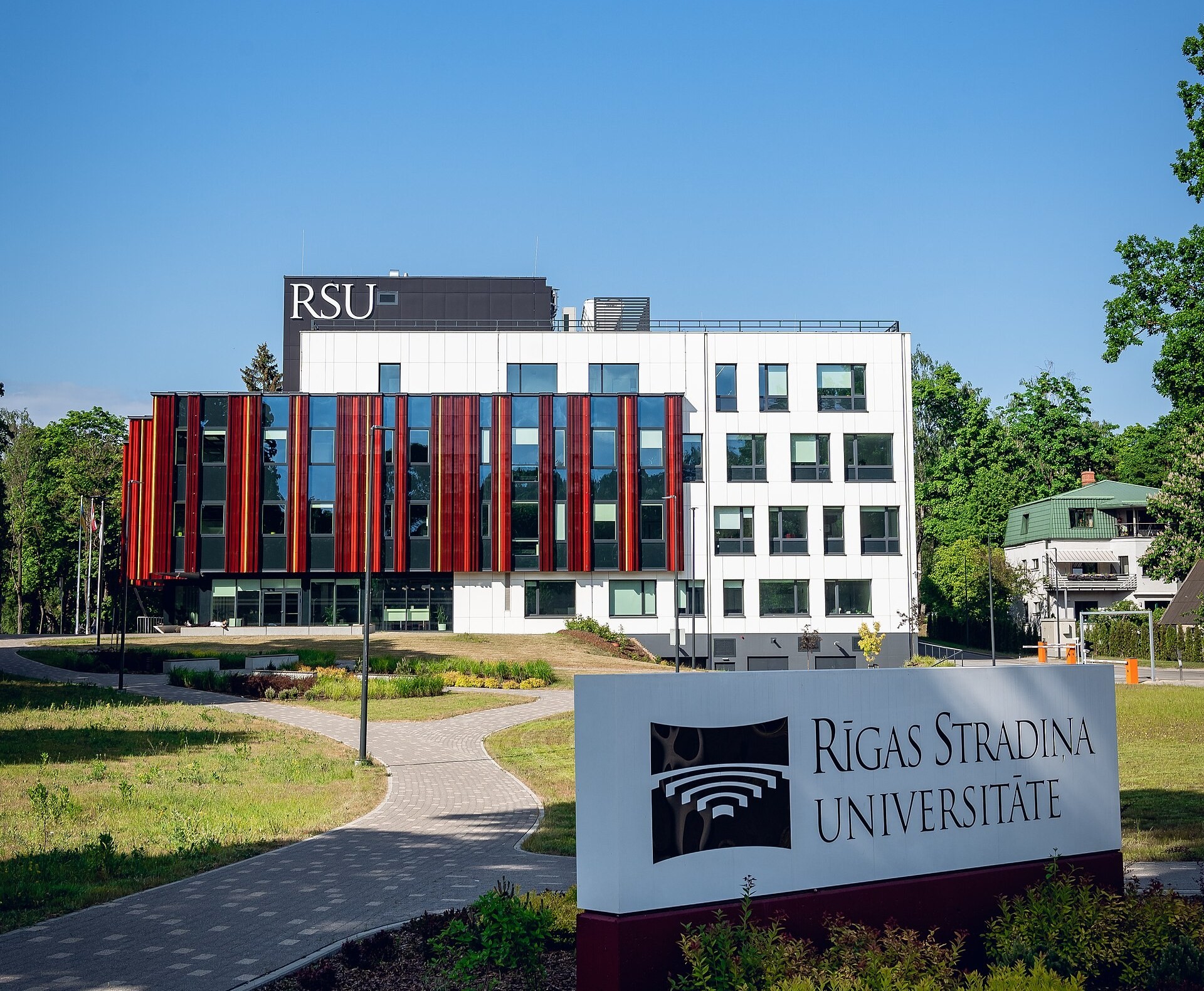
Riga, Latvia: no entrance exam, February intake
- Admission decided on your documents, no entrance exam at all
- Biology or Chemistry at 80% of the top grade for Dentistry
- Application window 1 September to 1 December 2026
- Studies begin 2 February 2027, €15,500 a year
- Around 32 international dentistry places per intake
Olomouc, Czech Republic: the 2027 shortlist pick
- Not taking new dentistry students for 2026
- Three A-levels in any subjects, sciences not required
- No grade minimum, ranked on own online science exam plus Zoom interview
- 5-year English MDDr programme

Plan B that still starts in 2026: UPJŠ dentistry and the 5 September exam
This is the part nobody else ranking for this search will tell you: you can strike out in Clearing today and still be a first-year dental student this autumn.
Pavol Jozef Šafárik University in Košice (UPJŠ), Slovakia, one of Medently's four partner universities, holds its final 2026 entrance exam sitting on 5 September 2026 in Košice. Pass it and you start the 5-year English-taught Dental Medicine programme, graduating as MDDr. (Doctor of Dental Medicine, the D.M.D. equivalent). The programme moved to 5 years from the 2025/26 intake, so it's the same length as a UK BDS.

What makes UPJŠ the universal plan B is everything they don't ask for:
- No A-level subject requirements: and no grade minimum. This morning's results slip is never looked at.
- No UCAS, no personal statement: you apply directly to the university, and we handle the paperwork with you for free.
- No IELTS asked of our applicants: the exam itself is in English, and that's the proof that matters.
Everything rides on one written paper: 100 biology and 100 chemistry multiple-choice questions, 2 hours 30 minutes, up to 4 points per question, 800 points maximum. UPJŠ's own guidance says the acceptance mark for General Medicine and Dental Medicine is usually 75%, which is 600 of the 800. In practice the two programmes sit either side of that line: around 570 has been enough for medicine, while dentistry cuts noticeably higher. In June 2026 we watched one of our applicants get refused for dentistry on 609 out of 800. So forget the floor, aim well above 610, and actually prep.
The good news is that the paper is very learnable. It's A-level-adjacent biology and chemistry, and we give every applicant our official-style question bank free, 599 biology and 594 chemistry questions, on our UPJŠ practice page. Three focused weeks between today and 5 September is a genuinely realistic prep window; it's roughly the run-up plenty of our admitted students gave themselves, and it was enough.
And on timing, breathe: the standard deadline to apply on your own is 22 August, and registering through Medently is free and usually possible until about a week before the sitting. You haven't missed anything by reading this on results day. Tuition is €13,500 a year, locked when you enrol; UPJŠ never raises fees on an enrolled student, so the whole degree is a flat €13,500 × 5. Full programme details live on our UPJŠ page.
Strong grades? The no-exam route: RSU and the February intake
Now flip the logic. What if your grades actually came in strong this morning and you were simply squeezed out by the numbers game? Then don't sit anyone's exam. Use the grades you already earned.

Rīga Stradiņš University (RSU) in Riga, Latvia, another of our four partner universities, admits dentistry students with no entrance exam at all. Admission is decided on your documents: your actual A-levels and GCSEs, a motivation letter, and two references. The letter and references are genuinely scored, so pick referees who really know you and give them something concrete to work with. Crucially, RSU never uses your overall average; they look at specific subjects.
What RSU asks from UK applicants for dentistry:
- Biology or Chemistry: one of the two is required, and RSU's site asks for 80% of the top grade for Dentistry. Both sciences together are an advantage, not a requirement.
- English: no test at all. RSU exempts anyone whose secondary education was completed in English, and may ask your school for a letter confirming the language of instruction. And once a test result is in your file it is what gets scored, so don't upload one you don't need.
- Maths or Physics: RSU names the UK specifically here, and Physics can stand in for Maths.
- Three A-levels and three GCSEs passed: the standard document set.
The timeline is the calm one: this is the February intake. The application window runs 1 September to 1 December 2026, decisions are rolling, and studies begin on 2 February 2027. That isn't "losing a year". That's starting your 5-year dentistry degree (DDS) less than six months from today, at €15,500 a year. One thing worth knowing: our study dentistry in Riga guide puts international dentistry places at around 32 per intake, and rolling decisions reward early, complete files, so spend the next two weeks building a strong application and be ready when the window opens.
UPOL dentistry: the next-cycle play
Full honesty, because you'll find them if you keep Googling: Palacký University Olomouc (UPOL), Czech Republic also runs a 5-year English MDDr and it's an excellent school. UPOL isn't taking new dentistry students for 2026, though. This cycle's seats are spoken for, with later exam passers placed on a waiting list, so put it on your 2027 shortlist rather than today's call list. No drama, that's just this cycle's numbers.

For the next cycle it's absolutely worth planning around: UPOL asks for three A-levels in any subjects (they've told us in writing that sciences are not required), sets no grade minimum, and admits by ranking on their own online science exam plus a short Zoom interview, with online sittings running through the summer. If your plan becomes "start in 2027", UPOL belongs on the shortlist right next to a fresh UCAS round. Details on our UPOL page.
Every grade band has a move today
This is the map we walk students through on calls. Find your row; no row is a dead end.
| Grades | Best move | Why |
|---|---|---|
| AAA–AAB | Clearing calls, then RSU | Strong file wins |
| ABB–BBB | RSU or UPJŠ exam | Both routes live |
| BCC–CCC | UPJŠ 5 Sept exam | Grades not checked |
| Below CCC | UPJŠ exam or resit | Exam decides everything |
Two notes on the map. First, RSU's bar is about your science grade, not your average: Biology or Chemistry at 80% of the top grade is the Dentistry line, so a student with a mixed overall slip but one strong science genuinely belongs in the RSU conversation. Second, UPJŠ shows up in every row because it's the one route where this morning's results are simply irrelevant; the exam hall is the great equaliser. For a personalised version of this table, our interactive checker runs your exact grades against every university we work with in about two minutes.
Coming back to the UK: it's the GDC, not the GMC
First, the distinction people mix up constantly: doctors register with the GMC, dentists register with the General Dental Council (GDC). Different regulator, different rules, and for European dental graduates the GDC picture is far better than the vague "it depends" you'll read elsewhere.
EEA dental qualifications listed in Annex V (point V.3, dental practitioners) of EU Directive 2005/36/EC, which covers degrees like those at UPJŠ and RSU, go through the GDC's recognition route for EEA-qualified dentists. Per the GDC's own pages: no ORE (Overseas Registration Exam) is required for a recognised EEA qualification, eligibility does not depend on your nationality, the application fee is £102.83, and you'll need a certified copy of your degree plus a character reference (from your dental school's head if you apply within 12 months of graduating). The post-Brexit standstill arrangements were extended by the UK Government for five years, to roughly mid-2028.
To be precise, because precision matters here: this is not an automatic rubber stamp. You make an application and the GDC assesses it. But it's a defined, published route with a published fee, which is a very different thing from a gamble. And if you're reading from Norway, Helsedirektoratet confirms dentistry is one of the professions harmonised across the whole EEA, which is the basis for authorisation there too. For the full recognition picture, we keep a dedicated guide updated: is a European degree recognised in the UK?
The cost reality check
The one UK BDS confirmed open in Clearing this month, Portsmouth, listed its international fee at around £43,000 a year. Over five years that's in the region of £215,000 in tuition alone. Now the same maths abroad: UPJŠ Dental Medicine is €13,500 a year, so €67,500 for the whole 5-year degree. RSU is €15,500 a year, so €77,500 in tuition, plus a one-off €1,800 registration fee. UPJŠ and UPOL lock your fee at enrolment, so there the multiplication is the actual final number; RSU publishes its fee table one academic year at a time, so treat Riga's figure as today's price rather than a locked quote. Add Košice or Riga living costs, which are kind to a student budget, and the entire degree can cost less than two years of an international BDS in England. We broke down rent, food and flights in our cost of studying dentistry abroad post.
Gap year and reapply? Fine, but hold a seat while you do it
Reapplying can work, and if you go that way, do it properly: book the UCAT early and prep it seriously, rebuild the personal statement around what went wrong, and stack real work experience, ideally shadowing in an NHS practice. But remember the supply maths: 25 new English places, and only from September 2027. The strategy I actually recommend, having watched both versions play out, is to hold a seat while you reapply. Sit the UPJŠ paper or file the RSU application now. If UCAS says yes next summer, brilliant, you've lost nothing, because Medently costs nothing. If UCAS says no again, you're already a year into a 5-year European dentistry degree instead of two years behind.
What I'd do before tonight, honestly
- At 1pm: make your Clearing calls if there's anything to call about, starting with your firm choice if you near-missed. It costs you nothing but an afternoon.
- This evening: ask us to register you for the UPJŠ sitting on 5 September (free, takes minutes) and open the question bank. Even if a Clearing miracle lands tomorrow, an exam registration you don't use costs nothing.
- If your grades came in strong: start assembling the RSU file: transcript scans, motivation letter draft, two referees briefed, so everything is ready when the window opens on 1 September.
And if you'd rather have a human look at your exact situation first, that's literally what we do all day, for free. No agency fees, ever; the universities work with us so you don't pay.
If you'd genuinely be happy as a doctor, your 2026 options are wider than dentistry's. Nicolaus Copernicus University, Collegium Medicum in Bydgoszcz (NCU), Poland, a university we work with and apply to for students, still has two September rounds ahead for its 6-year English MD: register by 25 August for the written test on 8 September and the oral exam the next day (results 11 September), or between 26 August and 15 September for the 23 and 24 September round, with classes starting 1 October. The written test is an online multiple-choice paper covering biology, chemistry and physics, and at least 25 of 50 points takes you through to the oral, so a 2026 start is genuinely still on the table. The UPJŠ paper on 5 September covers medicine too, where around 570/800 has been enough. And UMCH Medical Campus Hamburg, Germany (medicine only, no dentistry) runs an online sitting on 15 August with applications open until 1 September and studies starting in late September; ask us which sitting you can realistically make and we'll tell you straight. All of these are live, unhurried chances, not closing doors. Apply free here or book a call and we'll match you to the right one.
FAQ
Does dentistry go into Clearing?
Very rarely. Most UK dental schools fill their BDS cohorts through firm and insurance offers before results day, and on results day 2026 the major Clearing searches showed zero BDS courses. The only confirmed opening this August was Portsmouth, restricted to EU and international applicants.
Can I still start dentistry in 2026 if I missed my grades?
Yes. Pavol Jozef Šafárik University in Košice (UPJŠ), Slovakia holds an entrance exam sitting on 5 September 2026 with no A-level grade or subject requirements; pass the biology and chemistry paper and you start the 5-year MDDr this autumn. Medently registers you for free, usually up to about a week before the sitting.
Is a European dentistry degree recognised by the GDC?
EEA dental qualifications listed in Annex V of Directive 2005/36/EC use the GDC's recognition route for EEA-qualified dentists: no ORE, a £102.83 application fee, and standstill arrangements extended to around 2028. It's an application the GDC assesses rather than an automatic stamp, and dentists register with the GDC, never the GMC.
How much does it cost to study dentistry abroad?
UPJŠ dentistry is €13,500 a year and RSU €15,500 a year, both 5-year programmes, so roughly €67,500 to €77,500 in tuition for the whole degree. UPJŠ locks your fee at enrolment; RSU publishes its table one academic year at a time and adds a one-off €1,800 registration fee. The one international BDS seat open in UK Clearing this month was priced around £43,000 a year.
Every Medently student gets free document handling, entrance-exam flashcards where there is an exam, and direct chat with current students at UPJŠ, UPOL, UMCH and RSU. No fees, no hidden costs.
Ready to apply to medicine or dentistry in Europe?
Talk to active students. 100% free advisory from Medently.
