For home-fee A-level students there are essentially no medicine places in Clearing 2026: Birmingham closed its route on results morning and the rare places that appear go within hours. The workable plan B is Europe, where several English-taught medical schools are still admitting for a September or October 2026 start. See exactly what each one asks of UK applicants with our free Can I get in? checker.
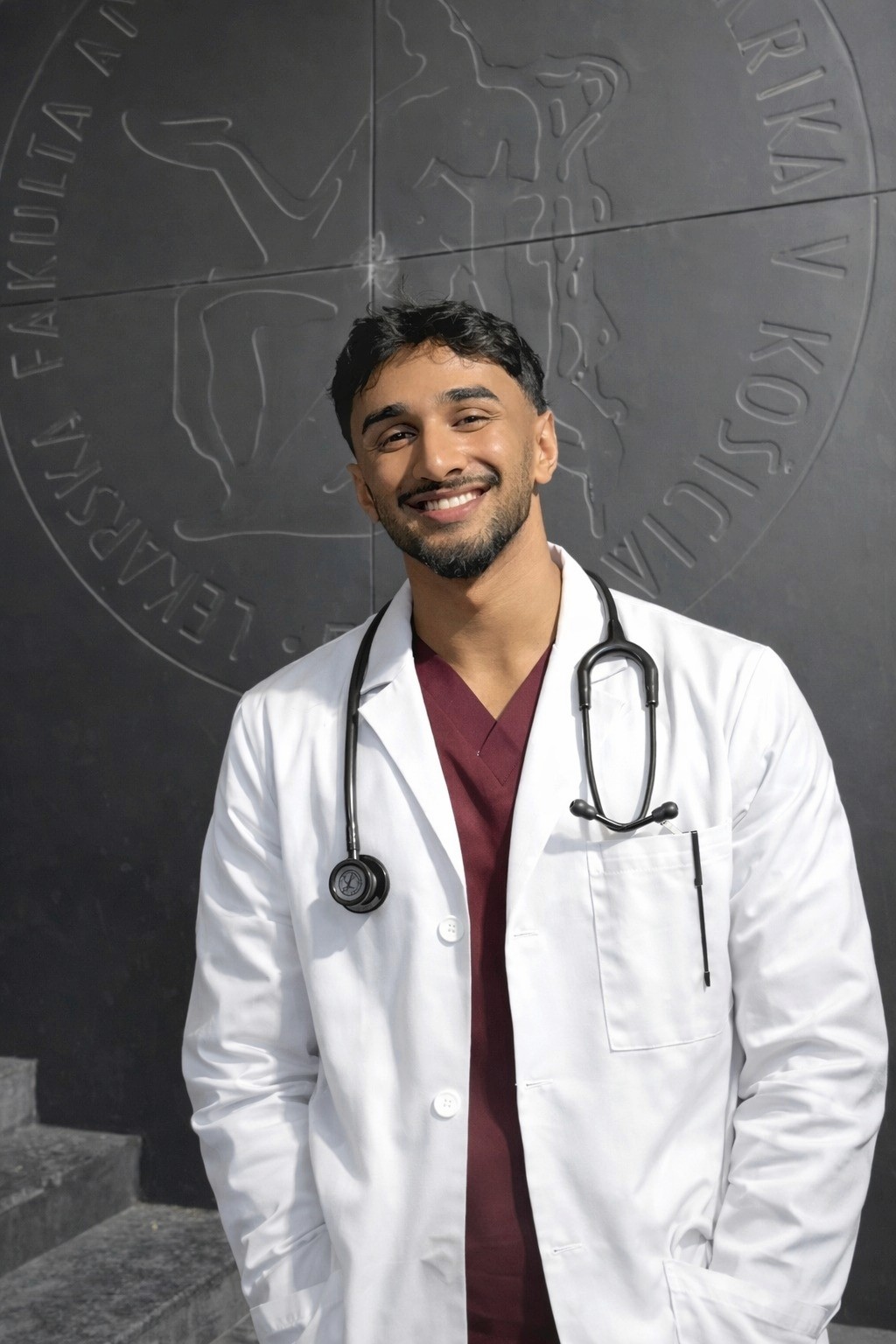
So it's Thursday 13 August, results dropped at 8am, and medicine didn't go the way you planned. Maybe you missed your firm offer by one grade. Maybe both choices said no and you're now googling "medicine clearing 2026" between refreshes of UCAS Hub. Either way, breathe. I'm Saif, the founder of Medently, and I'm a medical student right now. I got into medicine by the exact route the second half of this post describes, so I can promise you this morning does not decide whether you become a doctor. It only decides the route.
This post does two things. First, the honest bit: what medicine Clearing actually looks like in 2026, with real numbers and named schools, because you deserve the truth rather than a hopeful vacancy list. Second, the useful bit: a concrete plan B that does not depend on Clearing at all, built on European medical schools that are genuinely still admitting for this autumn, with dates, fees and exam formats we've verified ourselves. No vague ranges, no doom. Tea first if you need it. Right, let's go.
Medicine Clearing 2026: the honest picture
Let's not sugar-coat this, because sugar-coating is exactly what wastes your afternoon. For home-fee A-level students, medicine Clearing 2026 is close to empty. The University of Birmingham, which ran one of the few genuine medicine Clearing routes this year, now says plainly on its own website that Medicine is closed for Clearing 2026 applications because of unprecedented demand. Birmingham phoned the applicants it selected from 11:30 this morning and is running Zoom interviews today and tomorrow. If your phone hasn't rung, that route has moved on, and Birmingham itself points everyone else towards its Biomedical Sciences course, which has a medicine-transfer programme attached.
What's visibly left tends to be international-fee routes, such as the one at St Mary's University, Twickenham. Those genuinely exist, but they are a very different financial conversation from a home-fee place, so read the fee small print before you get excited.
Why is it this tight? Simple maths. UCAS reported 25,770 applicants to medicine for 2026 entry by the 15 October 2025 early deadline, a 10.4 per cent jump on the year before. Meanwhile the number of funded places is capped, so medical schools fill up in the main cycle and hit their numbers almost every time. When a place does slip into Clearing, it's usually a visa problem or a last-minute withdrawal, and it gets claimed at frightening speed. The UKCAT People, who run a live check of all 51 UK medical schools every results day, put it well: a handful of schools enter Clearing or take late applicants in most years, but there are typically almost no home places.
And that's the engine worth understanding, because it explains today better than any vacancy list. Demand is setting records while the supply of funded places stays fixed, so the gap between applicants and seats keeps widening, and Clearing is where that squeeze shows first. Which schools have late places is genuinely unpredictable from year to year: seven in 2024, four in 2025, and in 2026 the one flagship home-fee route closed on results morning itself. That's not bad luck on your part; it's arithmetic, and it's why I'd rather hand you a plan that doesn't involve waiting by the phone.
So if you've spent the morning refreshing course directories that show zero medicine vacancies, you're not doing anything wrong. The vacancies genuinely are not there.
Medicine Clearing 2026 is close to empty for home-fee students, so the plan that actually works is one that does not depend on Clearing at all: several English-taught European medical schools are still admitting for this autumn.
The 2026 dates and how medicine Clearing actually works
Quick mechanics, because understanding the machine is weirdly calming.
- 2 July to 19 October 2026 — the official UCAS Clearing window. Medicine, in practice, only ever moves on results day itself.
- 8am today — results released and UCAS Hub updates with your status.
- From early afternoon you can add a Clearing choice in UCAS Hub, but only once a university has verbally offered you a place on the phone.
The process itself: if your firm and insurance choices both said no, the Hub releases you into Clearing and gives you a Clearing number. You then ring universities directly, not the other way round (Birmingham was the exception, phoning its selected applicants itself). If someone offers you a place over the phone, you add them as your Clearing choice in the Hub and they confirm it. For most subjects this is a civilised process that ambles on for weeks. For medicine it is a sprint measured in hours, and the people who track it year after year have watched the occasional place vanish in under half an hour.
A quick word for international students, since I get this question a lot: yes, you can use Clearing too, and the few 2026 medicine routes that stayed visible were actually international-fee ones. But scarce is scarce for everyone, and if you're an international applicant reading this, the European options below are open to you on exactly the same terms as UK students, often with a friendlier price tag than a UK international fee.
Which medical schools have had medicine Clearing places, year by year
People always ask which schools to ring, so here is the honest history, compiled from The UKCAT People's year-by-year tracking. Notice how the list changes completely each year. That's the point: it cannot be predicted.
- 2026, live today — Birmingham opened a route and closed it on results morning; the visible remainder is international-fee only, such as St Mary's University, Twickenham.
- 2025 — Newcastle, UCL, Sunderland and Buckingham had places or took late applicants.
- 2024 — the broadest recent year: Aberdeen, Bangor, Brunel, Edge Hill, Kent and Medway, Leeds and Newcastle.
- 2023 — Buckingham, St George's (University of London), King's College London and Hull York.
- 2022 — Edge Hill, Exeter, Glasgow and Sunderland.
By all means ring around this afternoon; it costs you nothing but phone battery. Just don't build your year on it.
One myth to bin: entry standards do not drop in Clearing
A lot of hopeful mythology floats around today, so let's kill the big one. Medical schools do not lower their academic standards in Clearing: most keep exactly the same UCAT cut-offs and grade requirements as standard entry, as The Medic Portal's guide spells out. Clearing is not a back door for a near-miss. It's a tiny side door for people who already clear the bar. If AAB didn't meet a school's requirements in January, it won't meet them this afternoon either. European schools treat entry completely differently, and we'll get to that in a minute.
Your zero-panic plan for results day
Here's what I'd do, hour by hour, if I were sitting where you're sitting. No heroics, just a sensible order of operations.
- First hour — read UCAS Hub slowly and properly. Near-misses sometimes get confirmed anyway, and the Hub tells you before any phone call does.
- Call your firm choice — if you missed by a grade, ring and ask directly whether they'll still confirm you, and whether a reserve list exists. Near-miss confirmations happen every single year.
- Check your marks — if a grade looks genuinely wrong, talk to your school today about a priority review. The review windows are geared to Clearing and your exams officer knows the drill.
- Mid-morning, if you've been released into Clearing, ring any medical school you would actually attend. Expect polite nos; you're hunting the rare yes and any reserve lists.
- From early afternoon, add a Clearing choice in the Hub only once you have a verbal offer from a university. Never add speculatively.
- This evening, stop refreshing. Genuinely. Eat something. The UK picture will not change again today.
- By the weekend, pick your plan-B lane with fresh eyes: gap year, biomed, or a European start this autumn. Every still-open European option below has dates in late August or September, so deciding this week keeps every door open without rushing you.
Every fallback route, honestly compared
Six real options. I'll give you the honest trade-off on each, because pretending they're all equal helps nobody.
- Reserve lists — free to join and they occasionally pay off in late August as confirmed students withdraw. You have zero control over the outcome, so treat this as a lottery ticket, never a plan.
- Priority reviews and appeals — the right call if a mark looks genuinely wrong and could rescue your firm offer. Only chase it when your teachers agree the script looks mismarked.
- Gap year, UCAT resit, reapply — the classic route, and it works for plenty of people. It also costs a full year with no guarantee, and you rejoin an applicant pool that just grew 10.4 per cent in a single cycle.
- Biomedical science with a transfer route is real: Birmingham literally points its rejected medicine applicants at Biomedical Sciences for this reason. But internal transfer is fiercely competitive and most biomed students never move across. Choose it if you'd love biomed anyway, not as a bet.
- Graduate entry medicine means finishing another degree first, then fighting a second admissions battle. A perfectly fine long game and the slowest option on this list.
- Medicine in Europe, starting this autumn — the only option here where you still begin medicine itself in 2026. English-taught, six-year degrees, EU-recognised, with entry decided by the university's own exam or the grades you already hold rather than UCAT. The rest of this post covers it properly.
We've written a fuller piece on weighing these lanes against each other in No Medical School Offers in 2026? What to Do Next. And a small note for the biomed-curious: if you start a science degree and later switch to medicine in Europe, previous credits can often be recognised; our transfer page explains how that works.
The plan B that doesn't depend on Clearing: Europe is still admitting
Here's the part where the UK guides stop and we keep going. While UK Clearing is a lottery with roughly zero tickets, several English-taught European medical schools are still admitting for a September or October 2026 start, and one more has a February intake whose application window opens in two and a half weeks. These are established university medical faculties teaching six-year medicine degrees in English, recognised across the EU under Directive 2005/36/EC. We keep a running overview in Can You Still Apply to Medical School in 2026?, but here is where things stand today, results day, 13 August.
Quick orientation first, then the detail on each. For the two-minute version, our Can I get in? tool shows exactly what every university below asks of a UK applicant.
The 4 routes still admitting at a glance
Four English-taught universities from this guide that are still admitting for a September or October 2026 start.
Košice, Slovakia: exam on 5 September 2026
- No A-level subject requirements and no grade minimum
- One written paper: biology and chemistry, 800 points total
- Around 570 out of 800 has been enough for medicine
- Tuition €13,000 a year, locked for your whole degree
- Free question bank: 599 biology and 594 chemistry items

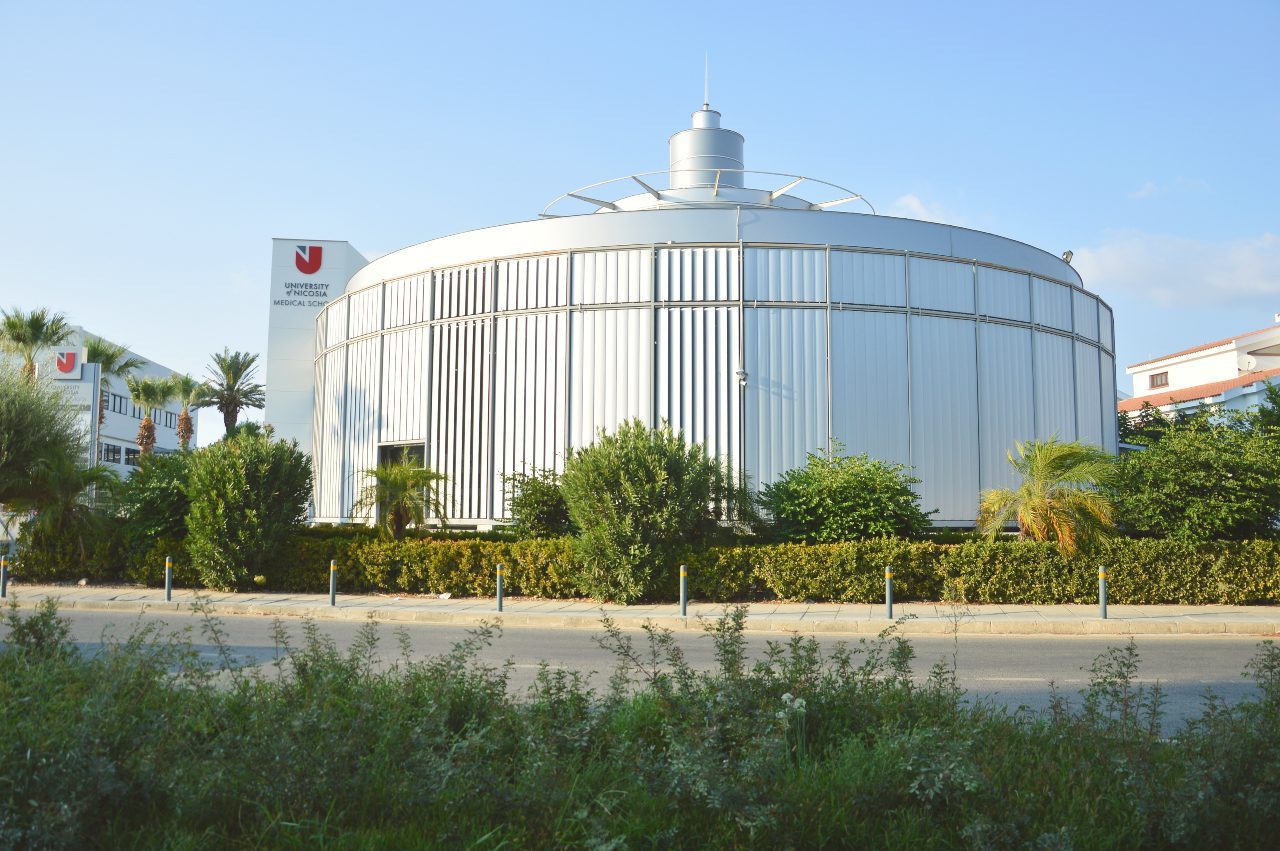
Hamburg, Germany: applications open until 1 September
- Six-year English-language medicine programme, medicine only
- Has never named a grade requirement or cut-off of any kind
- Two-hour online written test taken from home
- Roughly 25-minute English interview the same day
- Studies begin late September
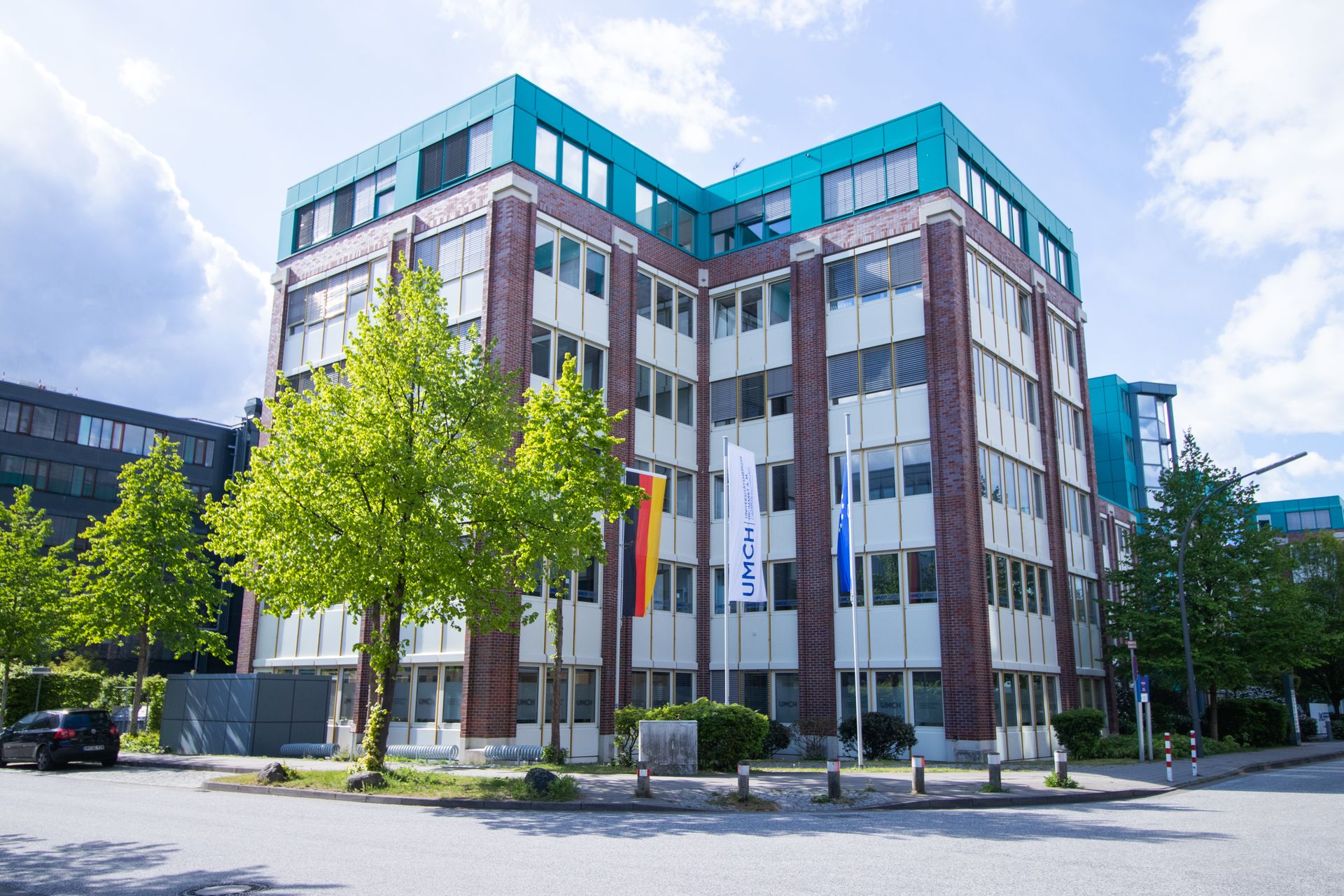
Bydgoszcz, Poland: September sittings, classes from 1 October
- A-level grades earn no points: an E counts the same as an A*
- Written paper worth 50 points, you need at least 25
- Online oral the next day worth 75 points
- Register by 25 August for the 8-9 September sitting
- 96 places a year, apply direct, not through UCAS
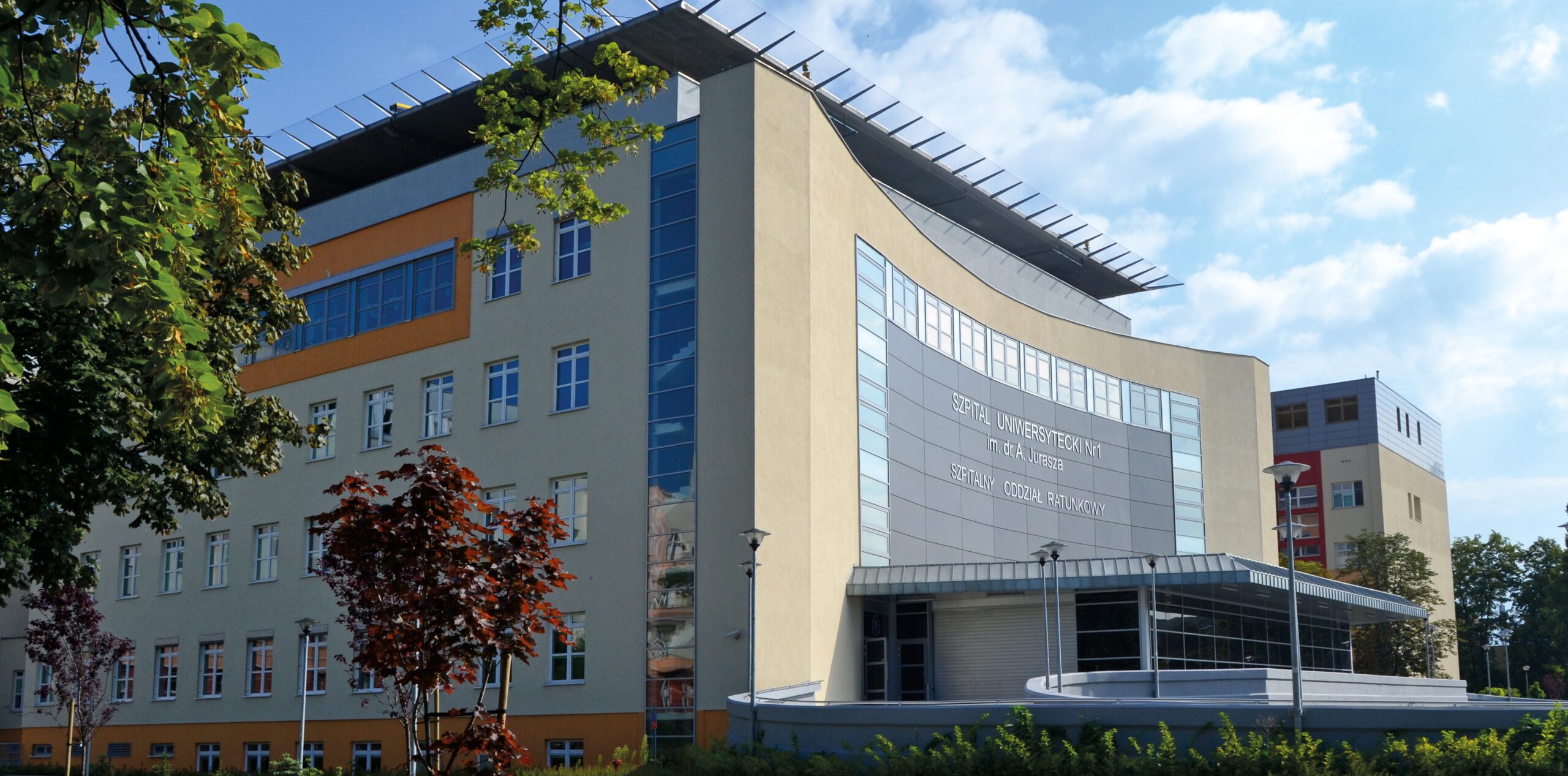
Nicosia, Cyprus: rolling admissions, interview only
- Three A-levels at ABB with Biology compulsory plus a second science
- Chemistry is not compulsory: Physics or Maths works fine
- No UCAT, no BMAT, no entrance exam
- A recorded online interview decides
- UK native speakers are exempt from English tests
| University | Decided by | Next chance |
|---|---|---|
| UPJŠ, Slovakia | Bio + chem exam | 5 Sept, starts Sept |
| UMCH, Germany | Test + interview | 15 Aug, starts Sept |
| NCU, Poland | Written + oral | 8–9 + 23–24 Sept |
| UNIC, Cyprus | Interview | Rolling, starts Sept |
| RSU, Latvia | Your A-levels | 1 Sept, starts Feb |
| UPOL, Czechia | Science exam | Next cycle |
Pavol Jozef Šafárik University in Košice (UPJŠ), Slovakia
UPJŠ has no A-level subject requirements and no grade minimum at all. No UCAS tariff, no personal statement, and no IELTS has been asked of our applicants. One written paper decides everything: biology and chemistry, 100 questions each, 800 points total, two and a half hours, on paper in English in Košice. Here's what that day actually looks like: a normal lecture hall, a paper booklet, multiple choice, no interviews, no theatre. Whatever's in today's envelope does not follow you there, and I find something very fair about that.
How high do you need to score? No pass mark is published, but around 570 out of 800 has been enough for medicine in recent sittings. Dentistry runs hotter, for what it's worth: a 609 was refused for dentistry in June 2026, so aim higher on that path. Sittings ran right through the summer, and the next one is 5 September 2026. Registering through Medently is free and fast, and you can generally sign up until about a week before a sitting, so nothing about this morning has cost you the option. Three weeks of focused biology and chemistry revision is very doable from a UK A-level base, and we give applicants the official-style question bank free: 599 biology and 594 chemistry items to drill.
The degree is the six-year MUDr., Doctor of General Medicine, equivalent to MD. Tuition is €13,000 a year, set out in the university's Rector's Decision No. 3/2026, and the rate you enrol on stays locked for your whole degree. Full detail on our UPJŠ page.
UMCH Medical Campus Hamburg, Germany
Fancy Germany? UMCH Medical Campus Hamburg in Hamburg, Germany teaches a six-year English-language medicine programme (medicine only, no dentistry) and its entry is refreshingly unscary. UMCH has never named a grade requirement or cut-off of any kind. You need a school-leaving qualification that gets you into university at home, which your A-levels are, whatever this morning's letters say.
Admission is a two-hour online written test taken from home, covering biology, chemistry and a general-knowledge section on politics, history and culture, all pitched at high-school level. UMCH confirmed to us in writing that no official prep pack exists, because none is needed. The same day, you do a roughly 25-minute English interview about why you want medicine. UMCH runs sittings for each intake through the year, including this autumn's start (studies begin late September, applications open until 1 September), so there is no cliff edge here: message us today and we'll confirm the next date and whether we can still get you a seat at it. More on our UMCH page.
Nicolaus Copernicus University, Collegium Medicum in Bydgoszcz (NCU), Poland
NCU isn't one of our partner universities, but we work with them and apply there on your behalf, and for anyone staring at disappointing grades this one is special: A-level grades earn no points in NCU's admission. In practice, an E counts the same as an A*. Your certificate simply has to get you into university at home and list Biology plus Chemistry or Physics among the subjects. The subjects must appear; the grades in them are never scored.
What is scored is NCU's own test. A written paper worth 50 points across biology, chemistry and physics, where you need at least 25, then an online oral the next day worth 75 points, split 25 for English, 25 for science and 25 for motivation. Score at least half on the written and at least 70 combined and you're eligible. There are 96 places a year and you apply direct to the university, not through UCAS, so your UCAS history is irrelevant.
Two chances remain for a 2026 start: register by 25 August for the 8-9 September sitting, with results on 11 September, or between 26 August and 15 September for the 23-24 September sitting. Classes begin 1 October 2026, so both fit this autumn comfortably. Tuition is 31,500 PLN per semester on NCU's official 2026/27 table.
University of Nicosia Medical School (UNIC), Nicosia, Cyprus
UNIC is the no-exam, sunshine option, and another school we work with and apply to for you. It asks for three A-levels at ABB with Biology compulsory plus a second science, and here's the quirk UK applicants love: unlike almost every UK medical school, Chemistry is not compulsory. Nicosia lists Chemistry, Physics or Maths as examples, so Biology with Physics or Biology with Maths works fine. No UCAT, no BMAT, no entrance exam; a recorded online interview decides. UK native speakers are exempt from English tests, and you apply direct to UNIC rather than through a UCAS choice. Admissions are rolling with no published deadline, open until places fill, for a September 2026 start. If you're holding ABB or better this morning and UK medicine still said no (welcome to UK admissions), UNIC is arguably your most direct September route.
Rīga Stradiņš University (RSU), Riga, Latvia: the guaranteed-timeline option
RSU flips the whole model: no entrance exam at all. It scores what you already have, your actual A-levels and GCSEs, plus a motivation letter and two references. Your overall average is never used, which surprises people every time. Concretely, Medicine wants A-level Biology or Chemistry (RSU's site says 70 per cent of the top grade), no English test at all, because RSU exempts anyone whose secondary education was completed in English, and may ask your school for a letter confirming the language of instruction, and Maths or Physics, and RSU specifically names the UK case here: Physics can stand in for Maths. Three A-levels and three GCSEs passed overall, and that's the checklist.
The timing is the beautiful part for anyone reading this today. RSU's February intake opens for applications on 1 September 2026, two and a half weeks from now, and the window runs deep into the autumn: to 1 December for EU/EEA applicants and to 1 November for everyone else, which includes the UK. Studies begin 2 February 2027, with 240 Medicine places planned and tuition of €13,500 a year for all six years, per RSU's official fee page. So even in the very worst case, where every September option passes you by, you are not looking at a lost year. You're looking at a February start you can secure with grades you already hold and no entrance exam between you and it.
Palacký University Olomouc (UPOL), Czech Republic: the calm next-cycle play
Full honesty: UPOL's applications for the September 2026 start closed on 31 July, so it isn't a this-autumn option. It still earns its place in your plan if you'd rather take a breath than sprint. UPOL told us in writing that its three required A-levels do not have to be sciences, any subjects count, and it has never set a grade minimum. No UCAT, no personal statement. Admission is the university's own written science exam, taken online from home, plus a short Zoom interview, with an €80 application fee and no further exam fee. If you decide this autumn that UPOL's next cycle is your target, you can prepare properly and apply early with zero drama. Details on our UPOL page.
Will I still be able to work as a doctor in the UK afterwards?
The question every parent asks on the first call, quite rightly. Short version: yes, there is a clear route, and no, it is not automatic, so let me be precise rather than salesy.
Doctors register in the UK with the GMC. The GMC accepts what it calls a relevant European qualification, meaning a medical qualification awarded by the competent authority in an EEA member state or Switzerland, as evidence of the knowledge and skills needed for full registration, and holders of one are not required to sit the PLAB test. For overseas qualifications outside that route, the GMC checks acceptability case by case against its published criteria before you can sit PLAB or apply for registration. Either way, it's the GMC's assessment rather than an automatic stamp, and anyone telling you otherwise is selling something. We've written the full, honest breakdown, NHS pathway and all, in Is a Medical Degree from Europe Recognised in the UK?
Across the EU and EEA, recognition genuinely is automatic. Under Directive 2005/36/EC, doctors of medicine are one of seven sectoral professions with automatic recognition between member states, provided basic medical training meets the directive's floor of at least five years and 5,500 hours of theoretical and practical training under university supervision, per the European Commission. The six-year programmes above sit comfortably inside that. Practically, a degree from Košice or Riga travels across the EU and EEA without your qualification being re-examined.
The money, honestly
UK home tuition is £9,250 a year, which sounds unbeatable right up until you remember today's actual problem: there is no seat to pay for. The real comparison is a European fee against a gap year plus a reapplication with no guarantee attached. Here are real numbers from the universities' own documents, not agency ranges.
- UPJŠ — €13,000 a year, set by Rector's Decision No. 3/2026. Six years at a flat rate is €78,000 in tuition, full stop.
- RSU — €13,500 a year, paid per semester. RSU's fee table lists that figure for every year group in the current academic year, but it publishes a new table each year, so treat €81,000 as today's price rather than a locked total. A one-off €1,800 registration fee sits on top.
- NCU — 31,500 PLN per semester on the official 2026/27 table, with two semesters a year.
One thing I want in writing, because this gets fudged constantly elsewhere: our partner universities do not raise an enrolled student's tuition year-on-year. The annual fee you start on is the fee you graduate on, so a six-year total really is one flat multiplication, not a guess with an asterisk. Living costs come on top, of course, and they work in your favour: Košice, Olomouc, Bydgoszcz and Riga are all far cheaper to live in than any UK university town. Students there live on a budget that would barely cover rent in a UK city.
Where Medently fits, and what we charge: nothing
Medently is free. No agency fees, no invoice, nothing, ever. I founded it while studying medicine because this whole process is genuinely confusing from the outside, and it's still run by medical students today. We've sat these exams, dealt with these admissions offices and made this exact decision ourselves, which is why the advice above reads the way it does.
We have four partner universities: Pavol Jozef Šafárik University in Košice (UPJŠ), Slovakia; Palacký University Olomouc, Czech Republic; UMCH Medical Campus Hamburg, Germany; and Rīga Stradiņš University (RSU), Riga, Latvia. We also work with Nicolaus Copernicus University, Collegium Medicum in Bydgoszcz (NCU), Poland and the University of Nicosia Medical School (UNIC), Cyprus, and we apply to both on your behalf. What that means today, practically: you tell us your grades and preferences, we tell you honestly which doors are open (the same honesty as above, including the nos), we register you for the right exam sitting for free, hand over the prep materials, and in most cases we can have your application submitted this same week. Where an exam fee exists, it goes to the university, never to us.
If you want to see what a same-week plan actually looks like from today, it goes something like this. Thursday evening: you run your grades through the Can I get in? checker and shortlist two universities. Friday: we go through your shortlist together and gather your documents. Over the weekend: application drafted and, where a sitting is coming up, exam registration in motion. Next week: you're revising biology from the question bank instead of refreshing UCAS Hub. That's the whole shift, from waiting on a phone call to working towards a seat with a date on it.
FAQ
Can you get into medicine through Clearing in 2026?
Technically yes, practically almost never for home-fee students. A handful of UK medical schools enter Clearing in most years, but the main 2026 route at Birmingham closed on results morning and what remained visible was international-fee only. Ring around today by all means, but have a plan B that doesn't depend on it.
Do medical schools lower their entry requirements in Clearing?
No. Medical schools generally keep the same grade requirements and UCAT cut-offs in Clearing as in the standard cycle, so a near-miss is not fixed by Clearing. Standards hold even on results day.
Which European medical schools are still accepting applications for a September or October 2026 start?
UPJŠ in Košice, Slovakia (entrance exam 5 September), UMCH Medical Campus Hamburg, Germany (online test plus interview, with sittings through the year for the late-September start), NCU in Bydgoszcz, Poland (September sittings, classes from 1 October) and UNIC in Nicosia, Cyprus (rolling admissions, interview only). RSU in Riga, Latvia opens its February intake window on 1 September 2026, with studies beginning 2 February 2027.
Can I study medicine abroad and still work as a doctor in the UK?
Yes, via GMC registration. The GMC accepts a relevant European qualification, one awarded by the competent authority in an EEA state or Switzerland, as evidence for full registration without sitting PLAB, and assesses other overseas qualifications case by case against its criteria. It is a clear route, but not an automatic one.
One last thing, from me to you. I know how today feels, and I know the version of you reading this from a first-year anatomy lab next spring will barely remember it. The doctors who lecture me and the final-year students I share a campus with came to medicine by every route imaginable, and not one patient will ever ask how your results day went. A no from UCAS on 13 August is a detour, not a verdict. Take tonight off. Then let's sort your route, together, for free.
Every Medently student gets free document handling, entrance-exam flashcards where there is an exam, and direct chat with current students at UPJŠ, UPOL, UMCH and RSU. No fees, no hidden costs.
Ready to apply to medicine or dentistry in Europe?
Talk to active students. 100% free advisory from Medently.
