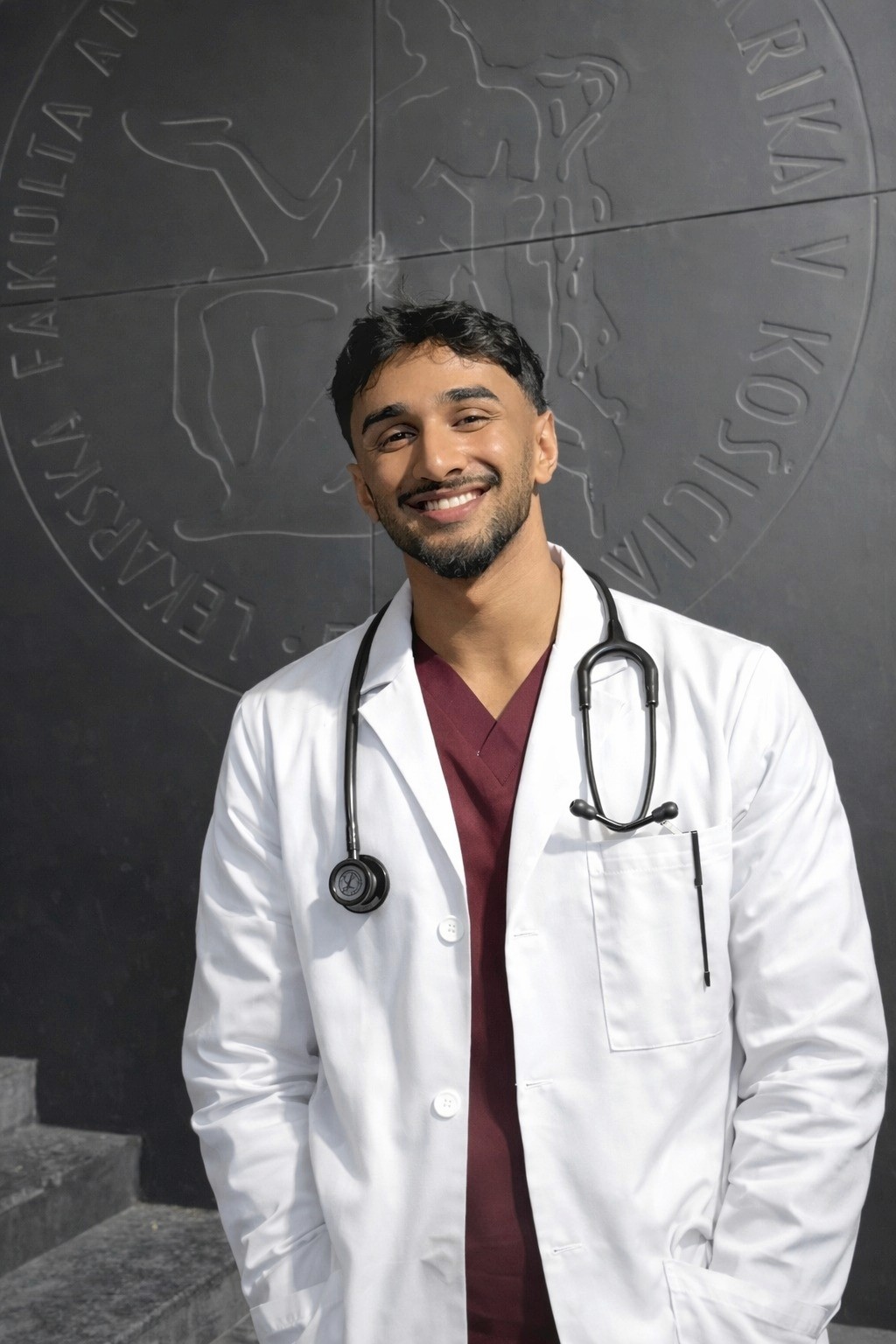
Most European medical schools set no A-level grade minimum at all. UPJŠ Košice (Slovakia), Palacký University Olomouc (Czech Republic) and UMCH Hamburg (Germany) admit on their own entrance exam instead of grades, while Rīga Stradiņš University (Latvia) and University of Nicosia Medical School (Cyprus) admit on grades and documents with no exam. Enter your exact subjects and grades in our free checker to see which universities you can get into right now.
It's 13 August. Results dropped at 8am, the UCAS Hub has updated, and Clearing choices open at 1pm. If your grades landed exactly where your offer needed them, brilliant, close this tab and go celebrate. If they didn't, and you're now searching for the A-level requirements to study medicine in Europe, take a breath. This is the map you were looking for, and I promise the news is better than you think.
Quick intro so you know who's talking. I'm Saif, a medical student and the founder of Medently, a free service run by medical students that gets students into English-taught medical schools across Europe. All week the same messages have been rolling in from the UK: "I got BBC, is medicine over for me?" It is not. Not even close.
Here's the thing nobody tells you on results day: medicine places in UK Clearing are genuinely scarce. In 2023 only four UK schools had any medicine places in Clearing at all (King's, St George's, Buckingham and Hull York, per The UKCAT People). Clearing runs into late October, so by all means work it in parallel. But Europe is a real plan, not a consolation prize, and it doesn't depend on luck. I wrote a full guide on studying medicine abroad from the UK if you want the big picture; this post is the subjects-and-grades deep dive.
Do European medical schools accept UK A-levels?
Yes, every university in this guide accepts them. But the useful question is different: how do they use them? There are two very different jobs a set of A-levels can do in an admissions system.
- Eligibility filter. The university checks that your certificate would get you into university at home, and sometimes that certain subjects appear on it. The grades themselves are never scored.
- Selection tool. The university ranks applicants by grades and picks from the top. This is the UK model.
UK medical schools use A-levels as a selection tool, and the bar is brutal: most ask AAA, some A*AA, and offers almost always want Chemistry and/or Biology among your three subjects (Medify keeps a good roundup of the standard requirements). Miss by one grade and the system doesn't care how good your interview was.
Most European medical schools use A-levels as an eligibility filter instead. They tick the boxes, then decide on something you can still influence after results day: an entrance exam, an interview, or the specific subjects you took. That is the whole reason a B, a C, or honestly even an E does not end this.
Most European medical schools use A-levels as an eligibility filter, not a selection tool, so the decision rests on an entrance exam, an interview or your specific subjects rather than your grades.
And if you're missing Biology or Chemistry entirely, that isn't fatal either. I've covered studying medicine in Europe without Biology and Chemistry A-levels separately, and you'll see below that UPJŠ and Palacký University Olomouc genuinely don't require them.
A-level requirements to study medicine in Europe: the full table
This is the table I wish had existed when students first started messaging us. One row per university: the subjects they want, the grades they want, and whether an exam decides instead. Four of these (UPJŠ, UPOL, UMCH and RSU) are Medently partner universities; NCU and UNIC are universities we work with and apply to for you. All six teach medicine in English as 6-year degrees, recognised across the EU under Directive 2005/36/EC.
| University | Your A-levels | How you get in |
|---|---|---|
| UPJŠ, Slovakia | None needed | Written exam |
| UPOL, Czechia | Any three | Exam + interview |
| UMCH, Germany | None needed | Test + interview |
| RSU, Latvia | Bio or Chem, 70% | Grades, no exam |
| NCU, Poland | Listed, not scored | Written + oral |
| UNIC, Cyprus | ABB with Biology | Interview only |
Two honest notes on that table. First, "no minimum" is not marketing spin; it's the universities' own wording. UMCH literally publishes the line "No minimum grade required. Your final school grade is not the decisive criterion." Second, "no exam" does not mean "automatic entry": RSU scores your actual subject grades against a threshold, and UNIC still interviews everyone.
Rather than squinting at a table, you can also just ask. Our free Can I get in? checker lets you pick a university and see exactly what it asks of UK applicants, subjects and grades included.
The 4 main routes at a glance
Four universities from the table, with the facts UK applicants ask about first.
Košice, Slovakia: next sitting 5 September 2026
- No A-level subject requirements and no grade minimum
- 100 biology and 100 chemistry questions, 800 points total
- Acceptance usually lands around 75% of the points
- Tuition €13,000 a year, 6-year MUDr degree
- Free question bank: 599 biology and 594 chemistry items

Hamburg, Germany: no minimum grade, deadline 1 September
- No minimum grade: your final school grade is not decisive
- Two-hour online test of 75 multiple-choice questions, taken from home
- You need 50 percent to pass
- Motivation interview in English the same day, roughly 25 minutes
- Study in Hamburg, graduate with an EU medical degree
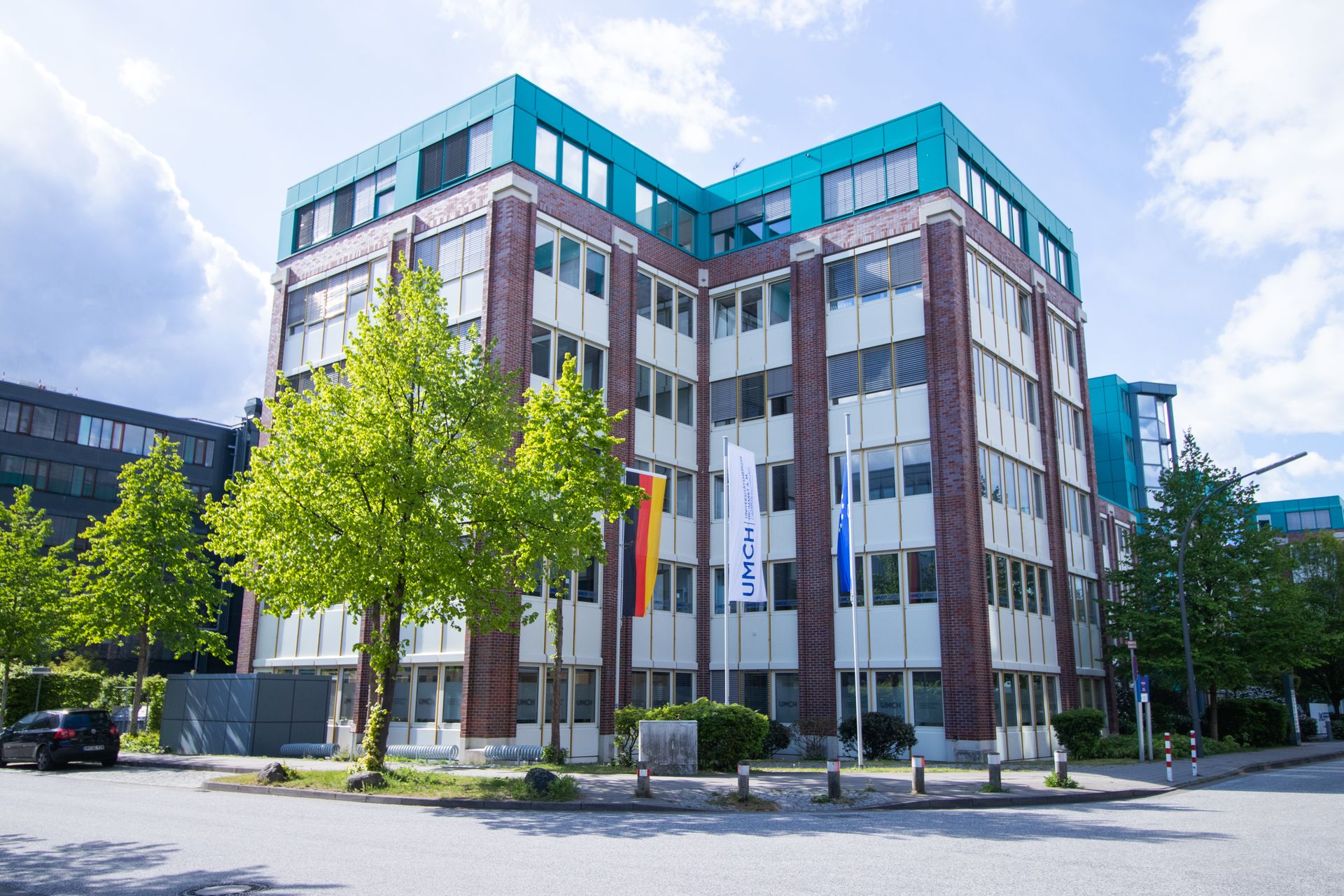
Bydgoszcz, Poland: an E counts like an A*
- Certificate must list Biology plus Chemistry or Physics, grades never scored
- Written test worth 50 points, at least 25 to progress
- Online oral the next day worth 75 points
- Sittings on 8 and 9 September or 23 and 24 September
- 96 places a year, apply direct, not through UCAS
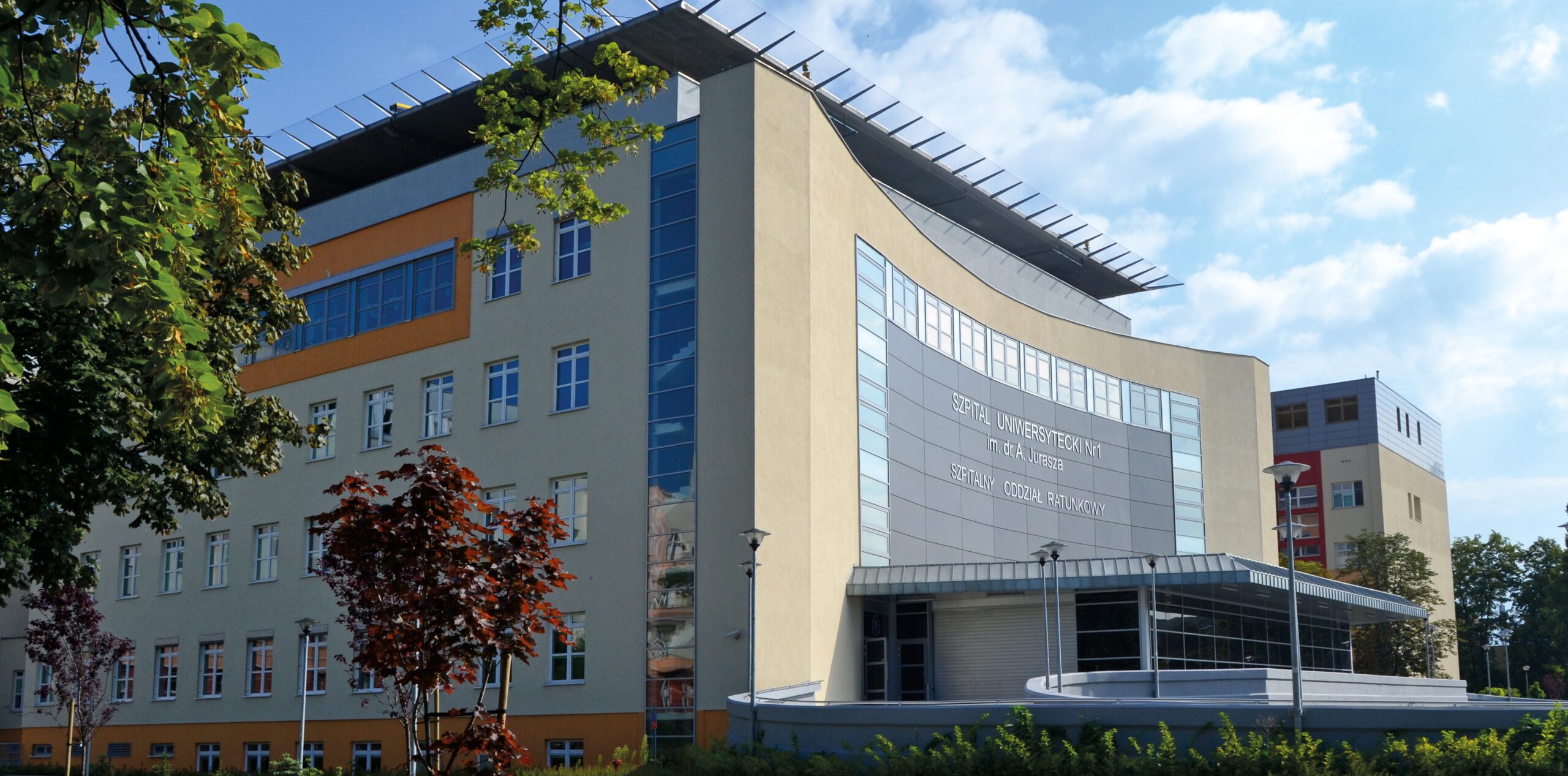
Riga, Latvia: no entrance exam, February intake
- Scores your actual A-levels and GCSEs, no entrance exam
- A-level Biology or Chemistry at 70% of the top grade
- UK-taught students need no IELTS
- Window 1 September to 1 December 2026, studies begin 2 February 2027
- €13,500 a year, 240 international Medicine places planned
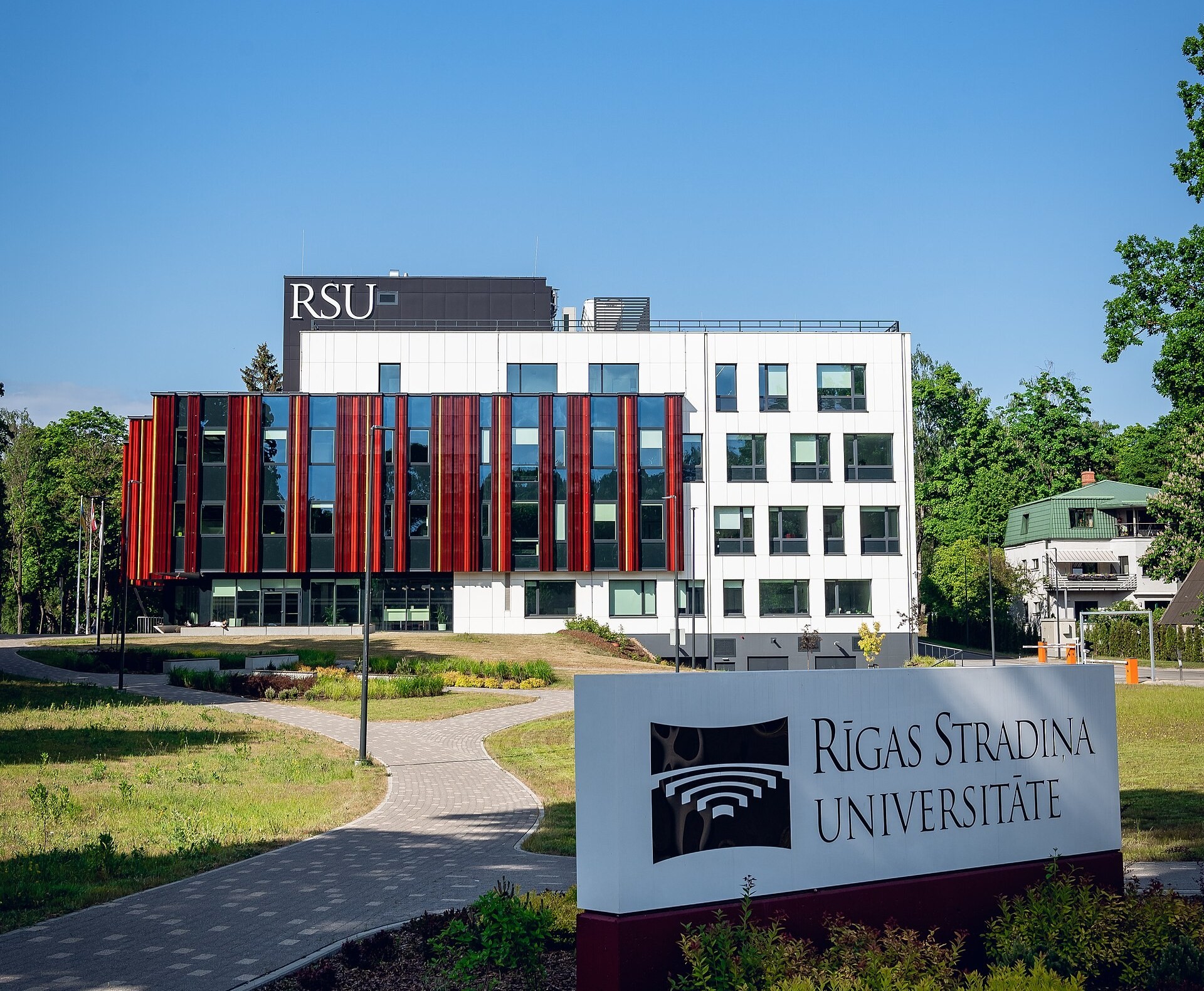
The exam route: universities where your grades stop mattering
Here's the split that actually matters once your grades are fixed: does the university score your A-levels, or does it run its own exam? Oddly, nobody organises the information this way, so let's do it properly. Four universities sit on the exam route, where the decision happens on test day, not on your certificate.
Pavol Jozef Šafárik University in Košice (UPJŠ), Slovakia
I'll be specific. UPJŠ has no A-level subject requirements and no grade minimum. None. No UCAS tariff, no personal statement, and no IELTS asked of our applicants. One written paper decides everything: 100 biology and 100 chemistry multiple-choice questions, four options each, 800 points total, two and a half hours, on paper in English in Košice, with no negative marking. The €30 exam fee goes to the university, never to us.
How high do you need to score? UPJŠ's guidance is that acceptance usually lands around 75% of the points. In practice we've seen roughly 570 out of 800 be enough for General Medicine. Dentistry is its own 5-year programme with a higher bar (609 out of 800 was refused there in June 2026), so aim well above that if teeth are your thing.
The content is genuinely learnable, and we hand every applicant our free official-style question bank, 599 biology and 594 chemistry items, at medently.com/exams/upjs/test. Sittings ran all through the summer (Oslo in July, Košice literally yesterday), and the next one is on 5 September 2026 in Košice. The standard sign-up deadline if you apply on your own is 22 August, but registering through Medently is free and fast, and it's usually possible until about a week before a sitting. Tuition is €13,000 a year for General Medicine, set by the university's Rector's Decision No. 3/2026, and the degree is a 6-year MUDr.
UMCH Medical Campus Hamburg, Germany
UMCH is the Hamburg branch campus of UMFST George Emil Palade University of Târgu Mureș (Romania), which means you study in Hamburg and graduate with an EU medical degree. It's medicine only, no dentistry. On grades, their published position is the clearest in Europe: no minimum grade, and your final school grade is not the decisive criterion. There's no A-level subject filter either: what you need is a school-leaving qualification that gets you into university at home.
Admission is a two-hour online written test of 75 multiple-choice questions on basic biology, basic chemistry and a general-knowledge section covering politics, history and culture, taken from home, plus a motivation interview in English the same day, roughly 25 minutes. You need 50 percent to pass. The level is high school; UMCH confirmed to us in writing that no official prep pack exists, because you don't need one. Online sittings run in set windows through the cycle; the application deadline for the 2026/27 intake is 1 September 2026, and when we register you, we confirm your test date with the university.
Palacký University Olomouc, Czech Republic
Palacký University Olomouc wants three A-levels, but here's the part they told us in writing: the subjects do not have to be sciences. Any three. And no grade minimum has ever been set. No UCAT, no personal statement. Selection is the university's own written exam in biology, chemistry, and physics or maths, taken online from home, plus a short Zoom interview.
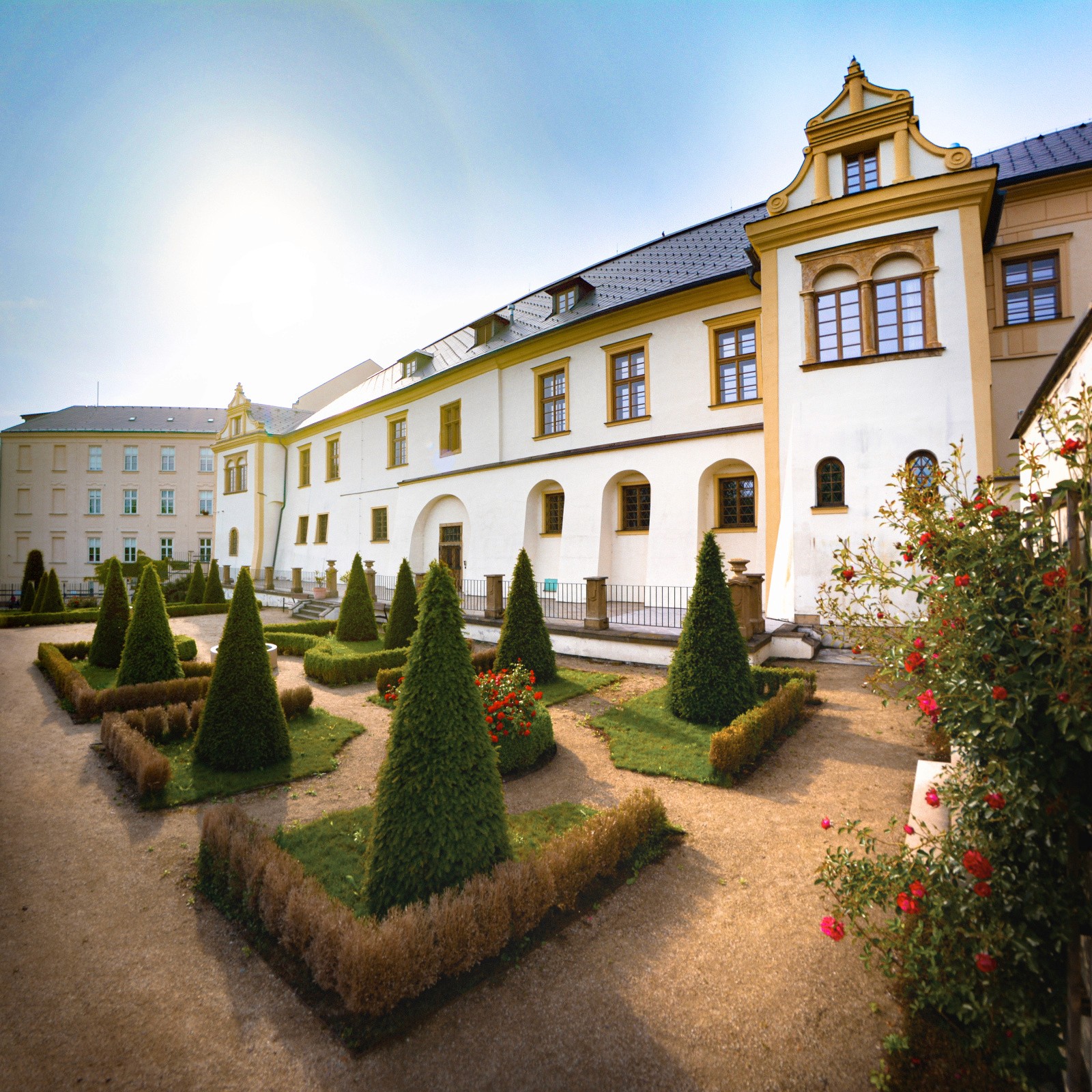
One thing to know, calmly: applications for the September 2026 start wrapped up on 31 July, so UPOL is your plan-ahead pick rather than a this-autumn one. The last cycle opened on 1 November, so expect the next window around then. Tuition is €12,500 a year, the degree is a 6-year MUDr, and if your A-level combination is, let's say, eclectic, this is one of the friendliest doors in Europe.
Nicolaus Copernicus University, Collegium Medicum in Bydgoszcz (NCU), Poland
NCU isn't one of our four partner universities, but we work with them and apply there for students, free as always. Their admissions rule is the most results-day-friendly sentence I know: A-level grades earn no points, so an E counts like an A*. Your certificate just has to qualify you for university at home and list Biology plus Chemistry or Physics. The subjects must appear; the grades are never scored.
Selection works like this: a written test worth 50 points (50 questions: 30 biology, 12 chemistry and 8 physics, one point each) where you need at least 25, then an online oral the next day worth 75 points (25 for English, 25 for science, 25 for motivation). The university's formula counts half your written score plus your full oral score, and 70 combined makes you eligible. There are 96 places a year, and you apply direct, not through UCAS. Two chances this cycle, both after results day: register by 25 August for the sitting on 8 and 9 September (results 11 September), or between 26 August and 15 September for the sitting on 23 and 24 September. Classes start 1 October 2026.
The no-exam route: universities that score your actual grades
If exams aren't your thing, two universities on the table skip the entrance exam entirely. I keep a longer list of medical schools with no entrance exam in Europe, but these are the two we place UK students at.
Rīga Stradiņš University (RSU), Riga, Latvia
No entrance exam to revise for. RSU scores what you already have: your A-levels and GCSEs, a motivation letter and two references. Your overall average is never used; the specific subjects are what count. For Medicine you need A-level Biology or Chemistry at 70% of the top grade (80% is RSU's published level for the 5-year DDS dentistry programme — one science is enough for either, and applicants with both get priority), no English test because you were taught in English, and Maths or Physics. RSU names the UK specifically and says Physics can stand in for Maths. The formal baseline is three A-levels and three GCSEs, passed.
The timing is the unique bit. RSU runs the February intake, with an application window from 1 September to 1 December 2026 and studies beginning 2 February 2027, and it plans 240 international Medicine places for that intake alone, so this is a genuine cohort, not a leftover list. The degree is a 6-year, 360-ECTS MD taught in English in Riga, accredited until 2030, at €13,500 a year for 2026/27. If September felt too soon anyway, this is the calm route: results in August, application in the autumn, white coat in February.
University of Nicosia Medical School (UNIC), Nicosia, Cyprus
UNIC is another university we work with and apply to for you. It's the most UK-shaped school of the bunch: three A-levels at ABB, Biology compulsory, plus a second science. But note the twist: unlike most UK schools, Chemistry is not compulsory. Nicosia lists Chemistry, Physics and Maths as the options alongside Biology, so Biology plus Physics or Biology plus Maths works fine. No UCAT, no BMAT, no entrance exam; a recorded online interview decides. UK native speakers are exempt from English tests, you apply direct (it doesn't use up a UCAS choice), and admissions are rolling with no published deadline, open until places fill, for a September 2026 start.
No UCAT, no BMAT: so what replaces them?
Not a single university above uses the UCAT or BMAT. What replaces them depends on the route: the university's own science exam (UPJŠ, UPOL, UMCH, NCU), a structured interview (UNIC), or plain document scoring (RSU). Honestly, I think that's a better deal for most people. The UCAT tests abstract reasoning at speed; the European entrance exams test biology and chemistry content that's actually on a syllabus, which means revision works. Sit our free UPJŠ practice test for an hour and you'll know exactly where you stand, months before any UK admissions test would tell you anything.
English requirements: the waiver most UK students get
Short version: if you were schooled in English, this is close to a non-issue.
- UPJŠ. No IELTS asked of our applicants; the entrance exam itself is in English, which rather proves the point.
- UPOL. Accepts Cambridge FCE, IELTS 6.0, TOEFL 87 or PTE Academic 59, offers its own English test if you hold no certificate, and exempts anyone whose schooling was in English.
- RSU. No test at all for UK-taught students: RSU exempts anyone whose secondary education was completed in English, and may ask your school for a letter confirming the language of instruction.
- UNIC. UK native speakers are exempt from English tests entirely.
- NCU. English is simply 25 of the 75 oral points, assessed live in the interview itself.
What it costs (official 2026/27 figures)
The official per-year tuition fees, straight from the universities: €12,500 at Palacký University Olomouc, €13,000 at UPJŠ (set by Rector's Decision No. 3/2026), and €13,500 at RSU. That's per year, for a 6-year medicine degree, in English, at an EU university.
And here's the planning detail people miss: at UPJŠ, Palacký University Olomouc and UMCH, your fee is locked when you enrol. The price you start on is the price you finish on, so your total for the degree is a flat multiplication, not a guess about future rises. Compare that with what UK universities charge international students for medicine and the maths gets interesting fast. You can line up every programme we place students into on our programmes page.
Your timeline from results day
If you're reading this around results day, here's what's genuinely still ahead of you, and notice that none of it requires panic:
- 1 September. UMCH's application deadline for the 2026/27 intake (the online test runs in set windows; we confirm your date when we register you). Also the day RSU's February-intake window opens (it runs to 1 December; studies begin 2 February 2027).
- 5 September. The next UPJŠ entrance-exam sitting, in Košice. We register you free, usually possible until about a week before.
- 8 and 9 September, then 23 and 24 September. NCU's two exam sittings; register by 25 August for the first, or 26 August to 15 September for the second. Classes start 1 October.
- Rolling. UNIC keeps admissions open until places fill for the September start.
- Around 1 November. UPOL's next application cycle is expected to open, for the following September.
Run Clearing in parallel if you like (it stays open into late October), but don't hang your whole year on it. The honest position is this: you have not missed anything in Europe. There is very likely still a sitting with your name on it.
Got AAB? BBC? CCC? Here's your map
Decision paths by grade band, because "it depends" is a useless answer today:
- A*AA to ABB. Every row of the table is open, including the no-exam routes: UNIC's ABB threshold with Biology plus a second science, and RSU if your science percentages clear the 70% line. Choose on fit and cost, not desperation.
- BBB to BCC. Every exam-route university is fully open, because none of them scores your grades. RSU becomes a maybe: its rule is about percentages in the specific subjects, not your letter string, so borderline cases are worth checking rather than assuming. We check that for free.
- CCC or below. The exam route is your lane, and it's a good lane: UPJŠ and UMCH now, NCU's September sittings, UPOL next cycle. Remember the NCU rule: an E counts like an A*. Your results are the ticket in; the exam is the contest.
Whatever band you're in, the fastest route to certainty is the Can I get in? checker: pick a university, see exactly what it asks of UK applicants, two minutes, no email address held hostage.
Can you come back and work in the UK?
The question behind the question. All six universities award degrees covered by automatic recognition across the EU and EEA under Directive 2005/36/EC (basic medical training listed in Annex V, point 5.1.1). The UK, post-Brexit, is not automatic: doctors register with the GMC, which assesses applications case by case. Two main routes exist. Holders of a relevant European qualification (REQ) can apply for full registration through a dedicated GMC route, where the GMC accepts the qualification subject to verification rather than assessing it against its overseas criteria. The broader route is PLAB, where PLAB 1 meets the Medical Licensing Assessment's Applied Knowledge Test requirement and PLAB 2 its Clinical and Professional Skills Assessment. Thousands of international graduates take these routes every year. I've unpacked the whole thing, UKMLA included, in whether a European medical degree is recognised in the UK, so I won't re-litigate it here. One habit worth keeping regardless: before committing anywhere, including anywhere we suggest, look the school up in the World Directory of Medical Schools.
FAQ
Do European medical schools accept UK A-levels?
Yes, all the universities in this guide accept UK A-levels. Most use them only as an eligibility check rather than scoring the grades: UPJŠ, UPOL, UMCH and NCU select on their own entrance exam or interview, while RSU and University of Nicosia admit on grades and documents without any exam.
Can I study medicine in Europe with BBC or CCC grades?
Yes. UPJŠ Košice (Slovakia) sets no subject or grade requirements at all, UMCH Hamburg (Germany) has no minimum grade, and at NCU in Bydgoszcz (Poland) grades earn no points, so an E counts like an A*. At all three, the entrance exam decides, not your results.
Do I need the UCAT or BMAT to study medicine in Europe?
No. None of the universities in this guide uses the UCAT or BMAT. Selection happens through the university's own biology and chemistry exam (UPJŠ, UPOL, UMCH, NCU), a recorded interview (University of Nicosia), or document scoring (RSU).
Can I still apply for 2026 entry after A-level results day?
Yes. UPJŠ has an entrance-exam sitting on 5 September 2026, UMCH accepts applications until 1 September 2026, NCU runs sittings on 8 and 9 September and 23 and 24 September, and RSU's February-intake window is open 1 September to 1 December 2026.
What I'd do today
Three things, in order. Run your grades through the checker (two minutes). Start the free application (about ten). And if you'd rather talk it through with a human, book a call with me. Medently is free, no agency fees, founded and run by medical students; my co-founder Dr. Dylan is a working doctor, and I'm writing this partway through the exact degree you're googling. We've sat these exams ourselves. We know which doors your grades open, because we walked through them.
Every Medently student gets free document handling, entrance-exam flashcards where there is an exam, and direct chat with current students at UPJŠ, UPOL, UMCH and RSU. No fees, no hidden costs.
Ready to apply to medicine or dentistry in Europe?
Talk to active students. 100% free advisory from Medently.
