
If you didn't get the grades for medicine today, you can still start a medicine degree in 2026. Several English-taught European medical schools don't score A-level grades at all; an entrance exam or interview decides instead, and their doors are open right now. See exactly what each one asks of UK applicants with the free Can I get in? checker.
It's just gone 8am, UCAS Hub has finally loaded, and the letters on the screen are not the ones you needed. If you're reading this because you didn't get the grades for medicine, take one slow breath before you scroll any further. I know exactly how this morning feels, and I'm not going to insult you with "everything happens for a reason". It hurts. Let it hurt for a minute.
Then read on, because here's what your sixth form probably never told you: at several European medical schools, your A-level grades are not scored at all. Not weighted, not tariffed, not even glanced at. One university we work with in Poland literally treats an E like an A*. Another has no grade minimum of any kind; a single entrance exam decides everything, and the next sitting is on 5 September.
At several European medical schools your A-levels are a door pass, not a scoreboard: the grades are not scored at all, and an entrance exam or interview decides instead.
I'm Usman, Head of Student Relations at Medently, and I've been a medical student in Europe for years. Every August I talk to students holding the exact piece of paper you're holding today, and plenty of them are in scrubs now. So let's go through every real option calmly: the honest UK playbook first, then the routes where this morning's grades simply don't matter.
Didn't get the grades for medicine? Here's your actual map
From where you're sitting right now, there are five genuine routes to a medicine degree:
- Clearing — possible but rare for medicine; worth an hour of phone calls today, not worth your whole plan.
- Resitting A-levels — a year of your life to re-enter a record applicant pool, with mixed policies on resits.
- Foundation or Gateway year — brilliant if you meet the contextual criteria; many students don't.
- Graduate Entry Medicine — real, but the longest road on this page by far.
- English-taught medicine in Europe — six-year, EU-recognised degrees where admission runs on an entrance exam or interview instead of your A-level grades, with doors still open for a 2026 start.
Let's take them in order. No sugar-coating anywhere.
The first 24 hours: work the UK system first
Results are released from 8am and Clearing choices open in UCAS Hub from 1pm today. Before Clearing even enters the picture, phone your firm-choice medical school and ask, politely and directly, whether they have any flexibility for near-miss applicants. Then do the same with your insurance. Schools do occasionally confirm students a grade below the offer, especially where interviews went well or there were documented extenuating circumstances. It costs you nothing but a slightly sweaty phone call.
Medicine through Clearing: the honest version
Yes, medicine does sometimes appear in Clearing. No, you should not build your plan on it. The admissions trackers at The UKCAT People counted just four UK medical schools with medicine Clearing places in 2023 (King's, St George's, Buckingham and Hull York), and although 2024 was broader, with Bangor, Brunel, Newcastle, Aberdeen, Kent and Medway, Edge Hill and Leeds all appearing, those places went within hours, mostly to applicants already holding near-offer grades. Clearing itself runs on into October, but medicine seats don't hang around. Ring, absolutely. Just keep reading while you're on hold.
Resitting your A-levels
The default advice, and for some people the right call. Be clear-eyed about the price, though: a full year, likely another UCAT sitting, and re-entry into the most crowded field UCAS has ever recorded. Per UCAS, 25,770 people applied to medicine by the October deadline for 2026 entry, a record and up 10.4% on the year before, chasing roughly 8,000 to 9,000 funded places in England: an acceptance rate near one in four. And resit applicants aren't always judged equally. Some schools accept resits without blinking, others only with documented extenuating circumstances, and a few, Newcastle historically among them, are openly stricter. Policies shift every cycle, so check each school's current stance before you commit twelve months to this. Resitting is one option. It has never been the only one.
Foundation and Gateway years
Gateway to Medicine courses (medicine with a built-in foundation year) exist precisely for students whose grades don't tell their whole story, and offers can sit in BBB territory, Keele's contextual offers being a well-known example. The catch is eligibility: these are widening-participation routes with criteria around household income, school performance, care experience or being first in your family at university. If you fit, genuinely look into them through the Medical Schools Council's course listings. If you don't meet the criteria, this door mostly isn't there for you, and most gateway starts would be September 2027 anyway.
Graduate Entry Medicine
Do a different degree first, ideally something biomedical, then apply to four-year graduate medicine programmes where your degree result matters far more than your A-levels ever will. It works, and plenty of doctors got there this way. It is also the longest route here: three years of another degree before medicine even begins, which puts your earliest medicine start around 2029. If you already know medicine is the goal, spending years reaching the start line deserves an honest think.
If this cycle ended with no offers at all rather than a near miss, we've written a fuller guide for that exact situation: Rejected from medical school? Study abroad.
The route your school never mentioned: universities that don't score your grades
Here's the part I wish someone had told me at eighteen. Across Europe there are established, state-recognised universities teaching medicine fully in English: six-year degrees recognised across the EU and EEA under Directive 2005/36/EC, where UK students sit next to Norwegians, Germans and Irish students who also didn't fancy their home country's numbers game. The admissions logic is completely different. Instead of scoring the grades you got at school, most of these universities set their own entrance exam and score that. Your A-levels are a door pass, not a scoreboard.
Quick honesty about who we are before the details. Medently is a free service, no agency fees ever, founded and run by medical students who took this exact route. Saif, our founder, is a medical student right now, and Dr. Dylan, our co-founder, is a working doctor. We have four partner universities, and we also work with two more that we apply to on students' behalf. Everything below is what each school actually asks of a UK applicant, verified with the universities themselves. For the wider landscape, see our guide to the top medical schools in Europe taught in English.
The 4 routes open for 2026 at a glance
Four universities from this guide where a 2026 start is genuinely still open.
Košice, Slovakia: exam on 5 September 2026
- No A-level subject requirements and no grade minimum at all
- 100 biology and 100 chemistry questions, 800 points maximum
- Around 570 out of 800 has been enough for medicine
- €30 application fee, paid to the university
- Nearly 1,200 free practice questions in the question bank

Hamburg, Germany: sitting 15 August, applications until 1 September
- No minimum grade required, in the university's own words
- Two-hour written test of 75 questions, sat online from home
- Score 50 percent and you pass
- Motivation interview in English, roughly 25 minutes
- Studies begin in late September
Bydgoszcz, Poland: where an E counts like an A*
- No points whatsoever awarded for your grades
- 50-question written test, 25 points takes you through
- Online oral the next day, scored out of 75
- Register by 25 August or between 26 August and 15 September
- Classes start on 1 October
Nicosia, Cyprus: the near-miss route at ABB
- Three A-levels at ABB, Biology compulsory plus a second science
- Chemistry is not compulsory: Biology with Physics or Maths works
- No UCAT, no BMAT, no entrance exam
- A recorded online interview decides
- Rolling admissions for the September 2026 start
Pavol Jozef Šafárik University in Košice (UPJŠ), Slovakia: one paper decides everything
This is the purest version of the exam-based route. UPJŠ sets no A-level subject requirements and no grade minimum at all. No UCAS tariff, no personal statement, and no IELTS asked of our applicants. Admission to the six-year English-taught medicine programme rests on one written paper: 100 biology and 100 chemistry multiple-choice questions, 2.5 hours, 800 points maximum, no negative marking, sat on paper in English in Košice.
There's no published pass mark; the Dean admits on exam performance and applicant numbers. From what we've seen, around 570 out of 800 has been enough for medicine. Dentistry runs hotter: we've seen scores just over 600 miss it, so aim well above 620 if teeth are your thing. Sittings ran all through the summer, including one in Oslo in July and one in Košice literally yesterday, and the next is on 5 September 2026. The standard sign-up deadline on your own is 22 August, and registering through Medently is free and usually possible until about a week before. The application fee is €30, paid to the university; our help costs nothing. And you don't revise blind: we give applicants nearly 1,200 free practice questions in an official-style question bank.
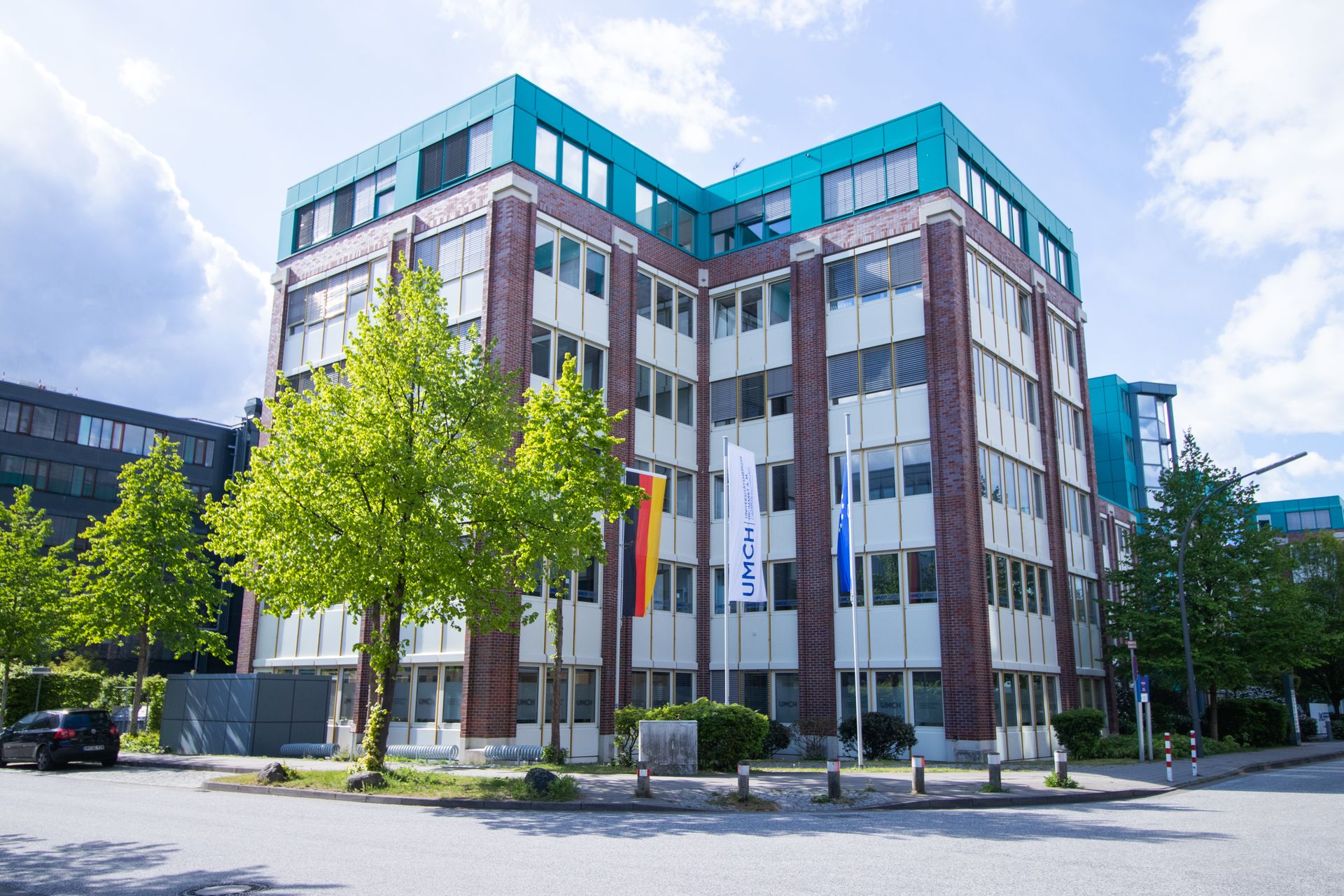
UMCH Medical Campus Hamburg, Germany: 'no minimum grade required', in writing
UMCH's own application page says it outright: 'No minimum grade required. Your final school grade is not the decisive criterion.' What you need is a school-leaving qualification that would get you into university at home; your A-level grades themselves are never scored. Selection is a two-hour written test of 75 multiple-choice questions sat online from home, plus a motivation-based interview in English the same day, roughly 25 minutes. Score 50 percent and you pass. UMCH confirmed to us in writing that no official prep pack exists, that the biology and chemistry questions are high-school level, and that the third section is general knowledge (politics, history, culture) rather than more science. Decisions come back quickly.
Timing-wise, this is the fastest door on this page: there's a sitting this Saturday, 15 August, for this autumn's start in Hamburg; applications stay open until 1 September, studies begin in late September, and further sittings run through the year for later intakes. Medicine only here, no dentistry. Full breakdown on our UMCH page.
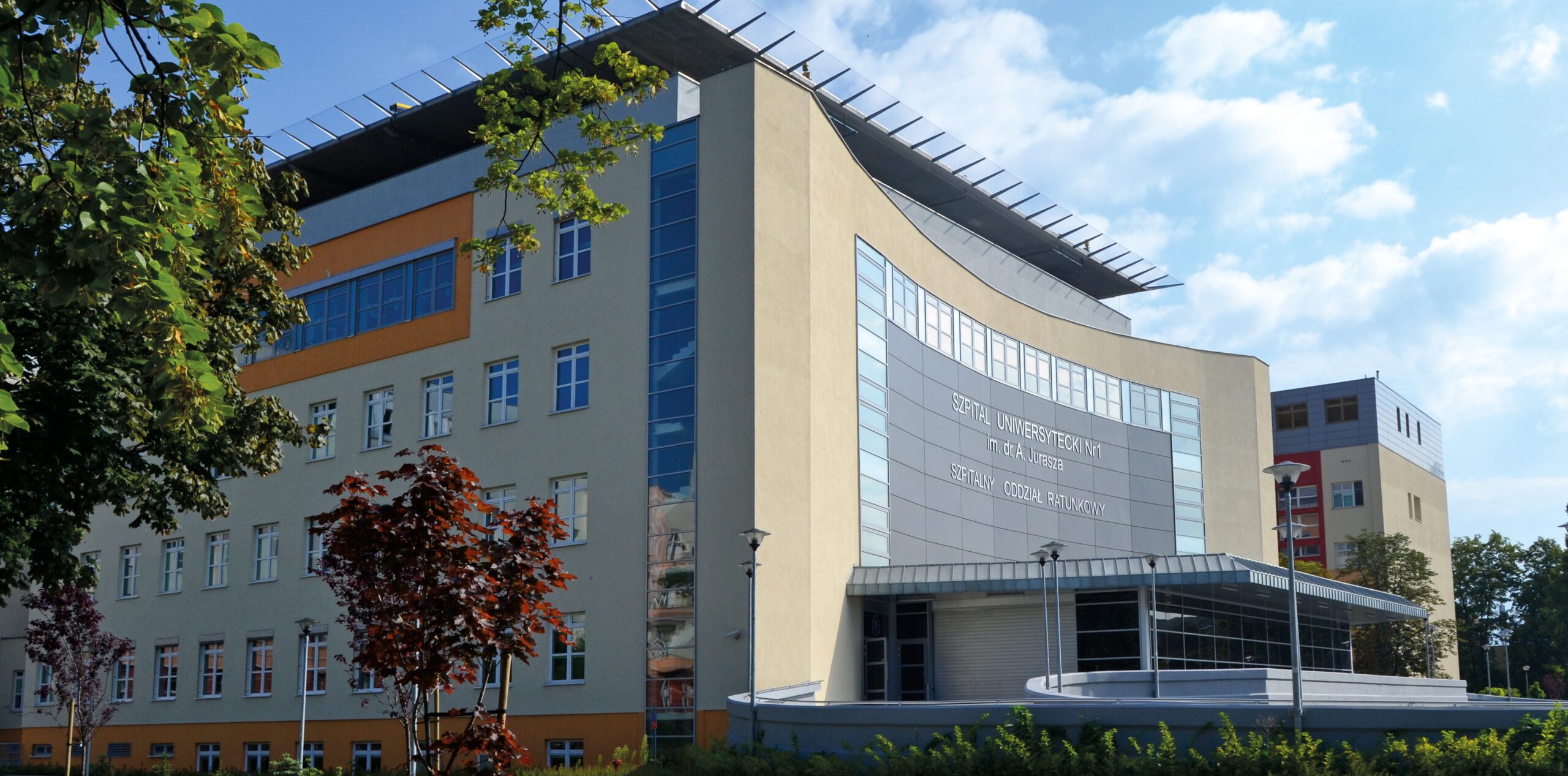
Nicolaus Copernicus University, Collegium Medicum in Bydgoszcz (NCU), Poland: where an E counts like an A*
NCU isn't one of our partner universities; it's a school we work with and apply to on students' behalf, free like everything else. And it has my favourite admissions rule in Europe: your school-leaving certificate is submitted as a document only, and no points whatsoever are awarded for your grades. An E genuinely counts like an A*. The only certificate requirement is that it gets you into university at home and lists Biology plus Chemistry or Physics among your subjects. Listed, not graded.
What is scored: a 50-question written test (30 biology, 12 chemistry, 8 physics, one point each), where 25 points takes you through to an online oral the next day, scored out of 75 (25 for English, 25 for science, 25 for motivation). The final formula is half your written score plus your full oral score, and 70 makes you eligible. Tuition is 31,500 PLN per semester for 2026/27, and you apply directly through NCU's IRK online portal, not UCAS. Two clean chances remain this year: register by 25 August for the round with the written test on 8 September and the oral the next day, or between 26 August and 15 September for the round on 23 and 24 September. Classes start on 1 October.
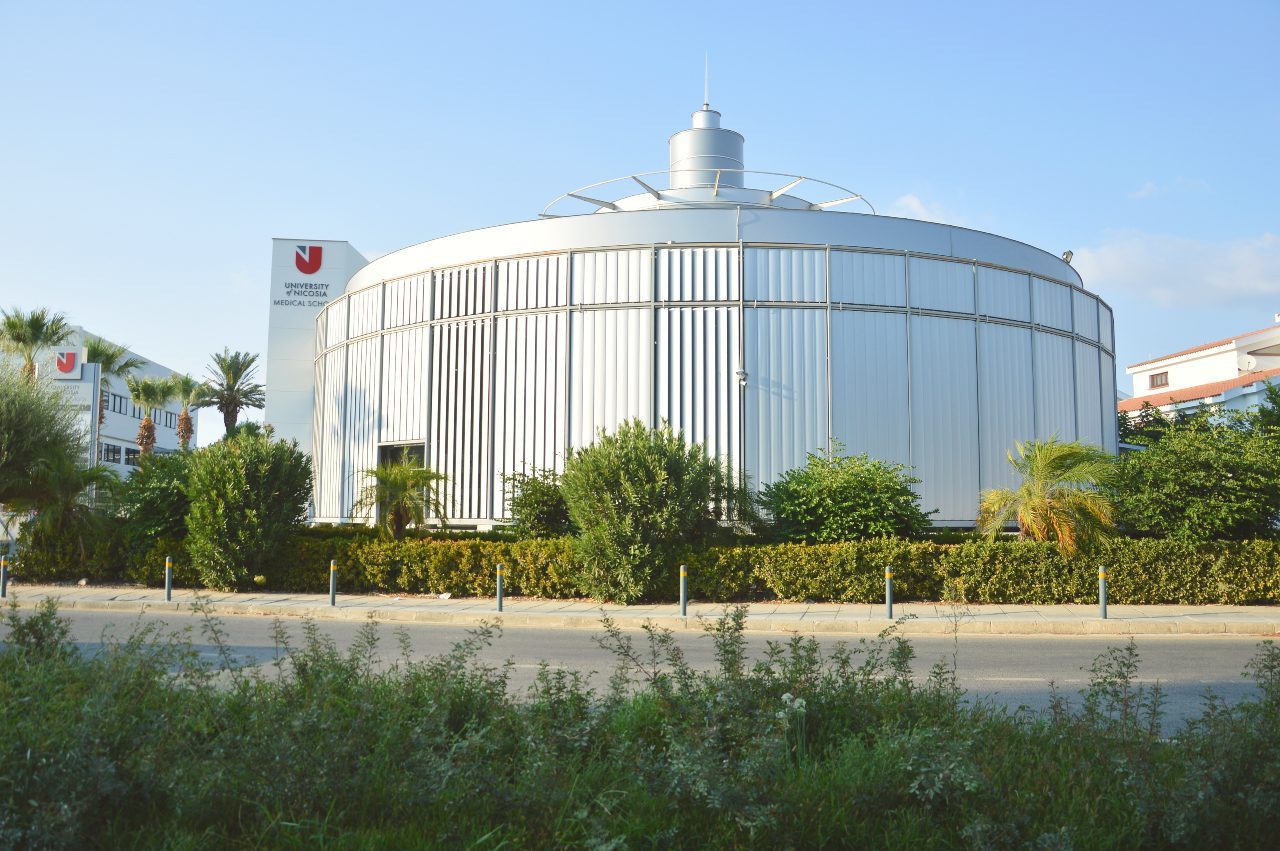
University of Nicosia Medical School (UNIC), Cyprus: the near-miss route at ABB
Another school we work with and apply to for students. UNIC does look at grades, so it suits the near miss more than the full miss: three A-levels at ABB, with Biology compulsory plus a second science. Here's the useful wrinkle, though: Chemistry is not compulsory. Nicosia lists Chemistry, Physics or Maths as examples, so Biology with Physics, or Biology with Maths, works, which almost no UK school allows. There's no UCAT, no BMAT and no entrance exam; a recorded online interview decides. UK native speakers are exempt from English tests, the application goes direct (it doesn't use up a UCAS choice), and admissions are rolling for the September 2026 start, open until the places fill.
Rīga Stradiņš University (RSU), Riga, Latvia: the February intake
RSU, one of our four partners, is the opposite model: no entrance exam at all. It scores your actual A-levels and GCSEs together with a motivation letter and two references, and your overall average is never used. The subject asks are specific: A-level Biology or Chemistry (RSU's site sets the bar at 70% of the top grade for Medicine, 80% for Dentistry), English covered by your English-taught schooling (UK-taught students don't need IELTS, just a school letter confirming English was the language of teaching), and Maths or Physics, where RSU explicitly names the UK case that Physics can stand in for Maths. You'll want three A-levels and three GCSEs passed overall.
The timing quirk is the gift here. RSU runs the February intake: the application window opens 1 September and runs to 1 December 2026, and studies begin on 2 February 2027. If your subjects are solid but this cycle went sideways, that's a proper reset that doesn't cost you a whole year.
Palacký University Olomouc (UPOL), Czech Republic: the next-intake play
Our Czech partner told us in writing that applicants need three A-levels that do not have to be sciences, in any subjects, and that no grade minimum has ever been set. No UCAT, no personal statement; admission is UPOL's own written science exam taken online from home, with an €80 application fee and nothing further for the exam. The programme's accreditation comes from a WFME-recognised authority, which keeps the USMLE pathway open if America ever calls. The September 2026 round wrapped up on 31 July, so treat UPOL not as a closed door but as the one you calmly line up for the next intake, ideally while holding an offer elsewhere. More on our UPOL page, and if your A-level subjects are the worry rather than the grades, read our guide to studying medicine in Europe without Biology and Chemistry A-levels.
What's genuinely open for a 2026 start, as of today
Here's the thing nobody in the UK conversation says out loud on results day: you have not missed the boat. Entrance-exam sittings run all through the summer and into September, and you can usually register up to about a week before a sitting. We register students for free and put them on the next available exam. As of this morning, 13 August 2026:
- UPJŠ, Košice, Slovakia — entrance exam on 5 September, sign-up through us usually possible until about a week before.
- UMCH, Hamburg, Germany — sitting on 15 August, applications open until 1 September, studies begin late September.
- NCU, Bydgoszcz, Poland — two September exam rounds (written test on 8 September or 23 September), classes from 1 October.
- UNIC, Nicosia, Cyprus — rolling, interview-based admission for the September start, open until places fill.
- RSU, Riga, Latvia — the February intake window opens 1 September; studies begin 2 February 2027.
- UPOL, Olomouc, Czech Republic — the next-intake play; three A-levels in any subjects, no grade minimum.
Not sure which of these fits your exact subjects and grades? That's literally what our free checker is for: pick a university and see precisely what it asks of a UK applicant.
'But can I come back and work in the NHS?'
The question behind every other question, and the one most pages hand-wave. Short version: yes, graduates of European medical schools work in the NHS every day, and no, it isn't automatic. Doctors register with the GMC (dentists go through the GDC, a separate body), and since Brexit the GMC assesses you by qualification rather than nationality. Degrees awarded in the EEA or Switzerland can use the GMC's dedicated 'relevant European qualification' registration route, with the degree verified through ECFMG and your English evidenced. The alternative, which the GMC says the majority of international graduates use, is the PLAB test, which now sits within the GMC's Medical Licensing Assessment (MLA) framework: Part 1 is a 180-question, three-hour multiple-choice exam you can sit internationally, and Part 2 is a 16-station practical OSCE in the UK.
Within the EU and EEA, including Norway, degrees from schools like UPJŠ and UPOL are recognised under Directive 2005/36/EC. For the full UK picture and what it means in practice, we keep a dedicated deep dive: Is a medical degree from Europe recognised in the UK?
The maths of a resit year vs one entrance exam
Strip the emotion out for a second and compare the bets. A resit year costs twelve months and puts you back into a pool of 25,770 applicants for roughly 8,000 to 9,000 funded English places, where the resit itself may be held against you at some schools. An entrance exam is a syllabus you can actually drill: 200 questions of biology and chemistry for UPJŠ (with nearly 1,200 free practice questions in our bank), or 50 questions for NCU where half marks takes you through to the oral. One is a lottery you re-enter next year; the other is a test you can prepare for and sit three weeks from now.
| Route | What decides it | Earliest start |
|---|---|---|
| UCAS Clearing | Open places + grades | Sept 2026 |
| Resit year | New grades + UCAT | Sept 2027 |
| Gateway year | Contextual criteria | Sept 2027 |
| Graduate Entry | Your first degree | 2029 or later |
| Exam-route Europe | One entrance exam | Sept–Oct 2026 |
| RSU February intake | Subjects + motivation | Feb 2027 |
- Cost to try — Clearing costs a phone call, a resit costs a year of fees plus the UCAT, and the European exam route costs a €30–€80 exam fee you can sit this autumn.
- Where your grades matter — Clearing needs a near-offer result, a resit replaces everything, and the exam route doesn't score your A-levels at all.
On money: application fees are small and go to the universities, never to us (€30 at UPJŠ, €80 at UPOL). Tuition varies by school; NCU, for instance, lists 31,500 PLN per semester for 2026/27. And one thing genuinely worth knowing about our partners UPJŠ, UPOL and UMCH: the tuition you enrol on is locked for your entire degree. It never increases mid-course, so the total is a flat multiplication, per-year fee times six.
FAQ
What should I do first if I don't get the grades for medicine?
Phone your firm and insurance medical schools about near-miss flexibility as soon as results are out, and watch Clearing from 1pm. In parallel, check the European exam-based routes; several are still open for a 2026 start, and UPJŠ's next entrance exam is on 5 September.
Can I still become a doctor with BBB, BCC or CCC at A-level?
Yes. UPJŠ in Košice, Slovakia and UMCH in Hamburg, Germany set no grade minimum at all, and NCU in Bydgoszcz, Poland awards zero admission points for school grades. At all three, an entrance exam decides instead, leading to English-taught, EU-recognised six-year medicine degrees.
Can you get into medicine through UCAS Clearing?
Occasionally, yes, but places are extremely scarce and typically go within hours to applicants already holding near-offer grades. In 2023 only four UK medical schools had medicine Clearing places; 2024 was broader but just as fast. Ring around, but have a parallel plan.
Do UK medical schools accept A-level resits?
It's mixed: some accept resits freely, some only with documented extenuating circumstances, and a few, Newcastle historically among them, are stricter. Policies change every cycle, so check each school's current stance. Exam-based European schools sidestep this entirely because your A-level attempt was never scored in the first place.
Can I study medicine abroad without the UCAT?
Yes. None of the six universities in this guide uses the UCAT or BMAT. UPJŠ, UMCH, NCU and UPOL set their own entrance exams, UNIC decides on a recorded online interview, and RSU scores your subjects plus a motivation letter and references.
How much does it cost to study medicine in Europe?
Application fees are small and go to the university, never to Medently: €30 at UPJŠ, €80 at UPOL. Tuition varies by school; NCU lists 31,500 PLN per semester for 2026/27, and at our partners UPJŠ, UPOL and UMCH the fee you enrol on stays locked for your whole degree. Medently's own help is free.
Is a medical degree from Europe recognised in the UK by the GMC?
European medicine degrees are recognised across the EU and EEA under Directive 2005/36/EC, and the GMC assesses UK registration case-by-case based on your qualification. It isn't automatic post-Brexit, but there are two established routes: the relevant European qualification route for EEA-awarded degrees, or the PLAB test.
Can I work in the NHS with a European medicine degree?
Yes, many graduates do. You register with the GMC through either the relevant European qualification route (for EEA-awarded degrees, verified via ECFMG) or by passing the PLAB test. It's assessed case-by-case rather than automatically granted.
From me to you
I won't pretend today doesn't sting. But I've watched this exact morning turn into a first day in the anatomy lab more times than I can count. The students who make it aren't the ones who never stumble; they're the ones who, on the day everything wobbled, spent one hour finding out what was actually still possible. You've just done that hour.
If you want a human to talk it through with, book a free call and we'll go through your subjects, your grades and your honest chances at each school. No fees, no pressure, no scripts. And if you already know you want in, the application takes minutes and costs nothing.
Every Medently student gets free document handling, entrance-exam flashcards where there is an exam, and direct chat with current students at UPJŠ, UPOL, UMCH and RSU. No fees, no hidden costs.
Ready to apply to medicine or dentistry in Europe?
Talk to active students. 100% free advisory from Medently.
